Buying in Greenwich Village can feel deceptively simple until the paperwork starts. A beautiful apartment, a strong offer, and a quick handshake are not enough in a market where co-op rules, condo documents, board approvals, and building records can shape your rights long before closing. If you want to protect your money, timeline, and leverage, it helps to understand where legal expertise makes a real difference. Let’s dive in.
Why Greenwich Village Requires More Care
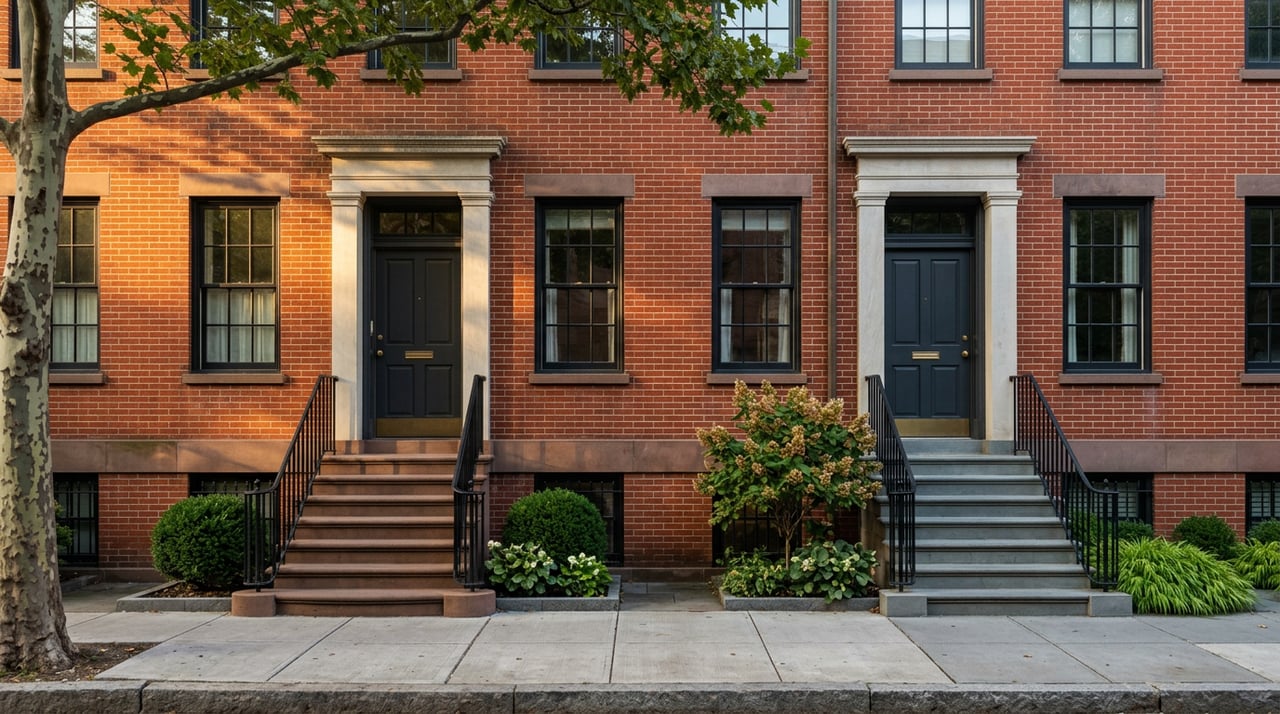
Greenwich Village sits within Manhattan Community Board 2, an area that includes several of downtown Manhattan’s most recognized neighborhoods. The area also includes the Greenwich Village Historic District, which New York City notes is the city’s largest historic district, spanning more than 2,000 buildings across 65 blocks.
That context matters because many Village purchases involve older buildings, building-specific rules, and layered approval processes. In practice, buyers are not just evaluating an apartment. You are also evaluating the legal framework around the building, the transaction, and the documents that control what happens next.
Legal Expertise Starts Before You Sign
One of the biggest misconceptions in New York real estate is that the important legal work happens only at closing. In reality, some of the most important buyer protections are created much earlier, before anyone signs a contract.
According to the New York State Attorney General’s guidance for co-op and condo buyers, you should read the entire offering plan and consult an attorney before signing a purchase agreement. The same guidance warns buyers not to rely on verbal promises or marketing statements that do not appear in the offering plan or in a written rider.
That point is especially important in Greenwich Village, where every building can operate a little differently. If something matters to you, whether that is a repair, an approval, a closing condition, or a building representation, it needs to be addressed in writing.
Written protections matter most
The NYC Bar’s home purchase guidance explains that residential contracts in New York must be in writing and often begin with a seller-drafted form. It also notes that these contracts commonly address contingencies, title issues, financing, inspections, and closing timing.
That is where attorney-trained representation can protect you. Strong negotiation is not only about price. It is also about translating loose understandings into clear contract terms, riders, document requests, and closing conditions that protect your position if something changes.
How Offers Become Safer Contracts
A competitive offer may get a seller’s attention, but a carefully negotiated contract helps protect you after the excitement of acceptance fades. In Greenwich Village, that protection often comes down to how clearly the contract addresses risk.
For example, New York buyers may need terms that address financing, inspections, document review, board mechanics, or unresolved building issues. The NYC Bar notes that a 10% down payment is typical in New York residential transactions, which makes it even more important to understand when that deposit is at risk and what conditions must be satisfied before closing.
Verbal promises are not enough
This is one of the clearest lessons from the Attorney General’s guidance. If a seller, sponsor, or listing narrative suggests something material, you should not assume it is enforceable unless it appears in the governing documents or a signed rider.
That matters in both resale and new development settings. The Attorney General explains that resale transactions are not regulated in the same way as sponsor sales, which means the contract and applicable law play an especially important role in defining your rights.
Co-op and Condo Rules Can Change the Deal
Many Greenwich Village buyers focus first on layout, light, and monthly costs. Those are important, but the building’s legal structure can be just as important to your outcome.
The NYC Bar’s co-op and condo overview explains that in a co-op, you are buying shares in a corporation and receiving rights under a proprietary lease. In a condo, you own your unit and an interest in the common elements, but the purchase may still depend on building-specific approval requirements.
Co-op purchases involve board discretion
In a co-op, the board governs the building under the by-laws and proprietary lease. That gives the board a powerful role in the approval process.
A New York court decision involving a co-op sale stated that a co-op board may withhold approval for any reason or no reason, absent illegal discrimination. That does not mean approval is arbitrary in every case, but it does mean your package, presentation, and preparedness matter.
Condo deals still have approval mechanics
Condo buyers sometimes assume the process is lighter than a co-op purchase. In some buildings that may be true, but condo transactions can still turn on timing and documentation.
The standard NYC Bar condominium contract guidance contemplates issues such as board waivers or rights of first refusal, plus supporting documents like by-laws, house rules, alteration policies, fee allocations, and financial statements. If those items are not requested, reviewed, and tracked properly, a seemingly straightforward purchase can slow down fast.
Board Packages Are Where Delays Often Start
A board package is not just an administrative step. It is one of the most common places where avoidable problems show up.
Buyer-facing guidance from Brick Underground on co-op and condo application packages notes that packages commonly include tax returns, W-2s or financial statements, proof of employment, bank or investment statements, and reference letters. Requirements vary by building, but incomplete submissions can delay approval and closing.
Completeness protects your timeline
In Greenwich Village, where many buyers are balancing financing deadlines, lease endings, travel schedules, or school-year timing, delays can become expensive quickly. A missing statement, an unclear financial narrative, or the wrong board form can cause a package to be kicked back.
That is why process discipline matters. Attorney-trained transaction management helps you think ahead about what the building will likely require, what issues may raise questions, and how to present a complete file the first time.
Due Diligence Goes Beyond the Apartment
It is easy to focus on finishes and floor plans. But in a neighborhood with older building stock and landmark context, physical and financial due diligence deserve equal attention.
The Attorney General advises buyers to inspect or review issues involving the facade, roof, flooring, appliances, sub-soil conditions, elevators, HVAC, windows, wiring, and plumbing. The same guidance also recommends reviewing board minutes, financial reports, and building department violations because those records can reveal hidden repair needs and assessment risk.
Building records can signal future costs
If a building has deferred maintenance, unresolved violations, or signs of larger capital work ahead, your ownership costs may look different after closing. In Greenwich Village, that kind of review matters because older buildings can bring charm and complexity at the same time.
A careful buyer should understand not only what the apartment looks like today, but also what the building may require tomorrow. That is where disciplined document review becomes a form of financial protection.
Final Certificate of Occupancy Issues Matter
If you are considering a newer condo or a conversion, one document deserves close attention: the Certificate of Occupancy.
The New York City Department of Buildings advises buyers to negotiate around a final Certificate of Occupancy rather than a Temporary Certificate of Occupancy, or TCO. If a TCO cannot be avoided, DOB recommends consulting a licensed PE or RA to understand unfinished work and asking your attorney to secure written assurance and enough escrow from the seller or developer to complete the work and obtain the final CO.
This is where legal drafting helps
That guidance points to a practical truth. A buyer is better protected when unfinished work, escrow amounts, and closing obligations are addressed clearly in writing.
Without that language, you may be left relying on expectations instead of enforceable terms. In a complex Manhattan transaction, that is a risk you do not want to take.
Fair Housing Rules Also Affect the Process
Legal protection is not only about contracts and closings. It also includes understanding the rules that govern board review and buyer treatment.
As of January 1, 2025, the NYC Fair Chance Housing Law applies to most housing providers, including co-op and condo boards. The law bars discrimination against buyers or renters based on arrest records, convictions, or other criminal history, and it sets rules for when and how covered providers may use background checks.
For buyers, this is a reminder that approval processes must follow current law. If questions arise during board review, it helps to have representation that understands both procedure and compliance.
What Legal Expertise Really Protects
In Greenwich Village, legal expertise is not about making a deal feel more formal than it needs to be. It is about reducing uncertainty in a process that is often building-specific, document-heavy, and highly discretionary.
The strongest protection usually comes from a few practical moves:
- Turning key deal points into written contract protections
- Reviewing offering plans, riders, and governing documents carefully
- Anticipating board package requirements early
- Tracking waiver, approval, and closing deadlines closely
- Reviewing building records for repair and assessment risk
- Negotiating clear language around TCOs, final COs, escrow, or unfinished work when relevant
When those pieces are handled well, you are in a better position to protect your deposit, avoid preventable delays, and make decisions with clearer information.
If you are considering a purchase in Greenwich Village, working with a calm, detail-oriented advocate can make the process feel far more manageable. For confidential guidance on buying in Manhattan with legal and negotiation insight, connect with Jed Lewin, Esq..
FAQs
Why do Greenwich Village buyers need legal review before signing a contract?
- Greenwich Village purchases often involve co-op or condo rules, building-specific documents, and approval mechanics, and the New York Attorney General recommends consulting an attorney before signing because your rights depend on the written documents.
What documents should Greenwich Village co-op buyers review?
- Co-op buyers should review key building and transaction documents such as the offering plan if applicable, by-laws, proprietary lease, board materials, financial reports, board minutes, and any building department violation records tied to the property.
How does a board package affect a Greenwich Village purchase?
- A board package can affect timing and approval because buildings often require detailed financial and personal documentation, and incomplete submissions can delay closing or create avoidable issues.
What is the risk of relying on verbal promises in a Greenwich Village condo or co-op deal?
- The risk is that verbal promises may not be enforceable, since the Attorney General warns buyers not to rely on statements that are not reflected in the offering plan, contract, or written rider.
Why does a Temporary Certificate of Occupancy matter for Greenwich Village buyers?
- A TCO can matter because unfinished work may still remain, and the NYC Department of Buildings advises buyers to negotiate for a final Certificate of Occupancy when possible or secure written protections and escrow if a TCO is unavoidable.