Picture this: a quiet, tree-lined block just off Washington Square Park, a set of keys in your pocket, and a home you can drop into whenever New York calls. If you’re considering a pied-à-terre in Greenwich Village, you likely value charm, discretion, and a smooth process. You also know the rules here can be tricky, from co-op policies to short-term rental laws and closing taxes. This guide walks you through how pied-à-terre purchases really work in the Village so you can move with clarity and confidence. Let’s dive in.
Pied-à-terre basics in NYC
A pied-à-terre is a secondary residence you use part-time. In New York City, lenders and buildings usually treat it as a second home, not a primary residence. That affects your loan options, down payment, and how a co-op or condo board reviews your application. The key is to plan for second-home underwriting rather than primary-residence rules.
Financing programs make a clear distinction between primary, second home, and investment property. For example, Fannie Mae’s eligibility guidance sets different loan-to-value and occupancy standards for second homes and also looks at condominium warrantability. In Manhattan, many buyers use jumbo or non-agency loans due to price points.
Why Greenwich Village
Historic character and context
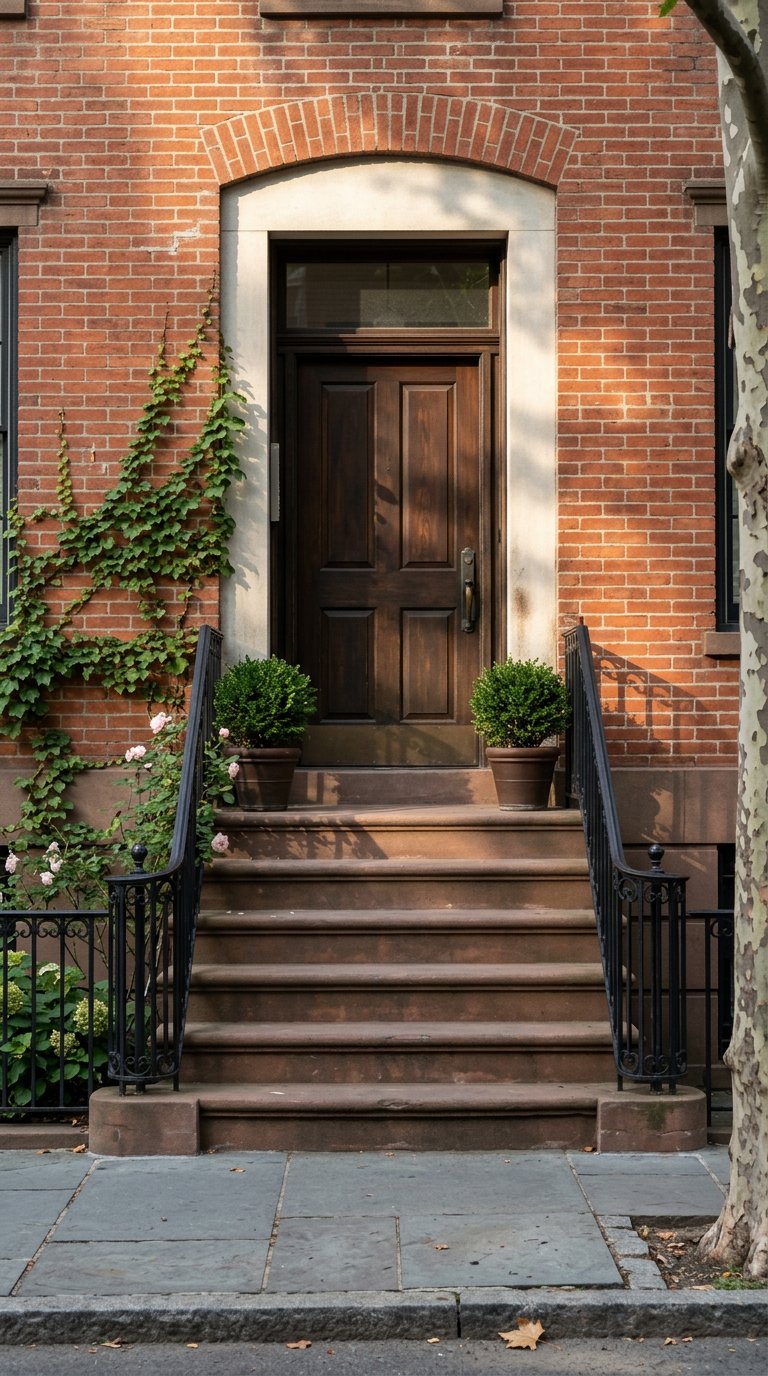
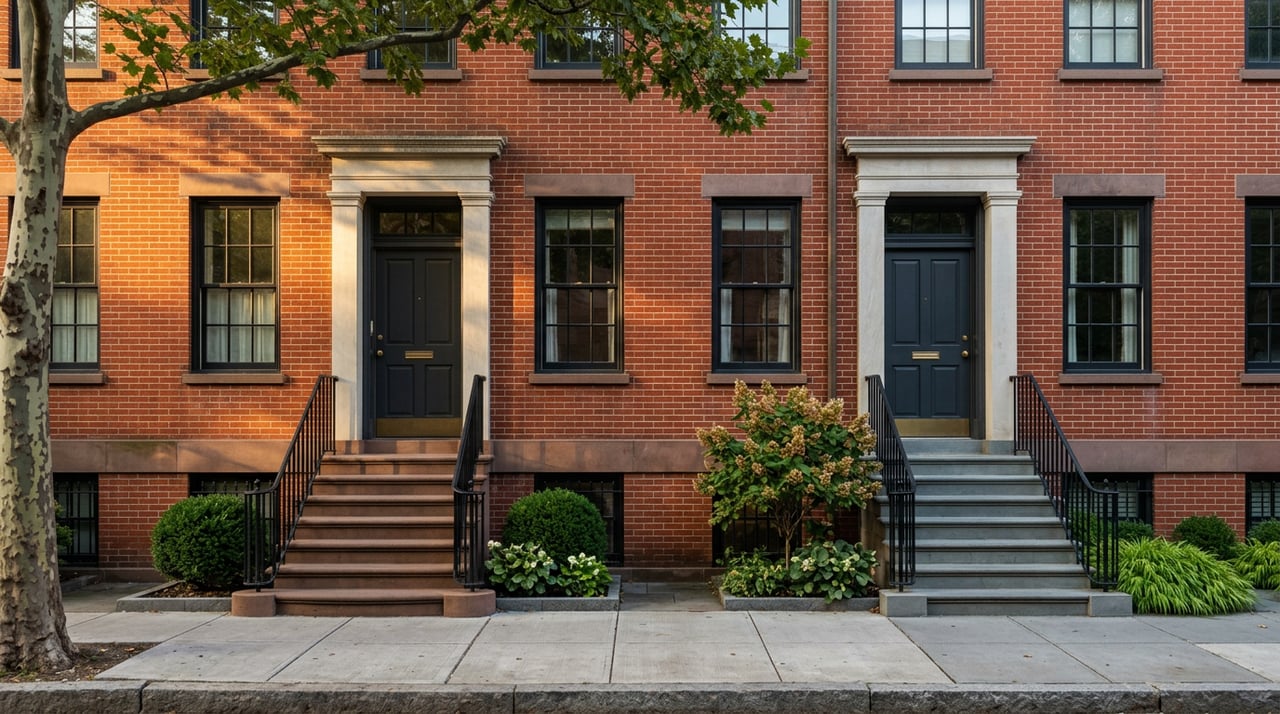
Greenwich Village includes the West Village and several landmarked historic districts. If you plan to refresh a façade, add exterior vents, or adjust windows, location matters. Many blocks fall under Landmarks Preservation Commission oversight, so confirm whether your building sits in a historic district using Village Preservation’s historic district resources.
Building types that fit part-time use
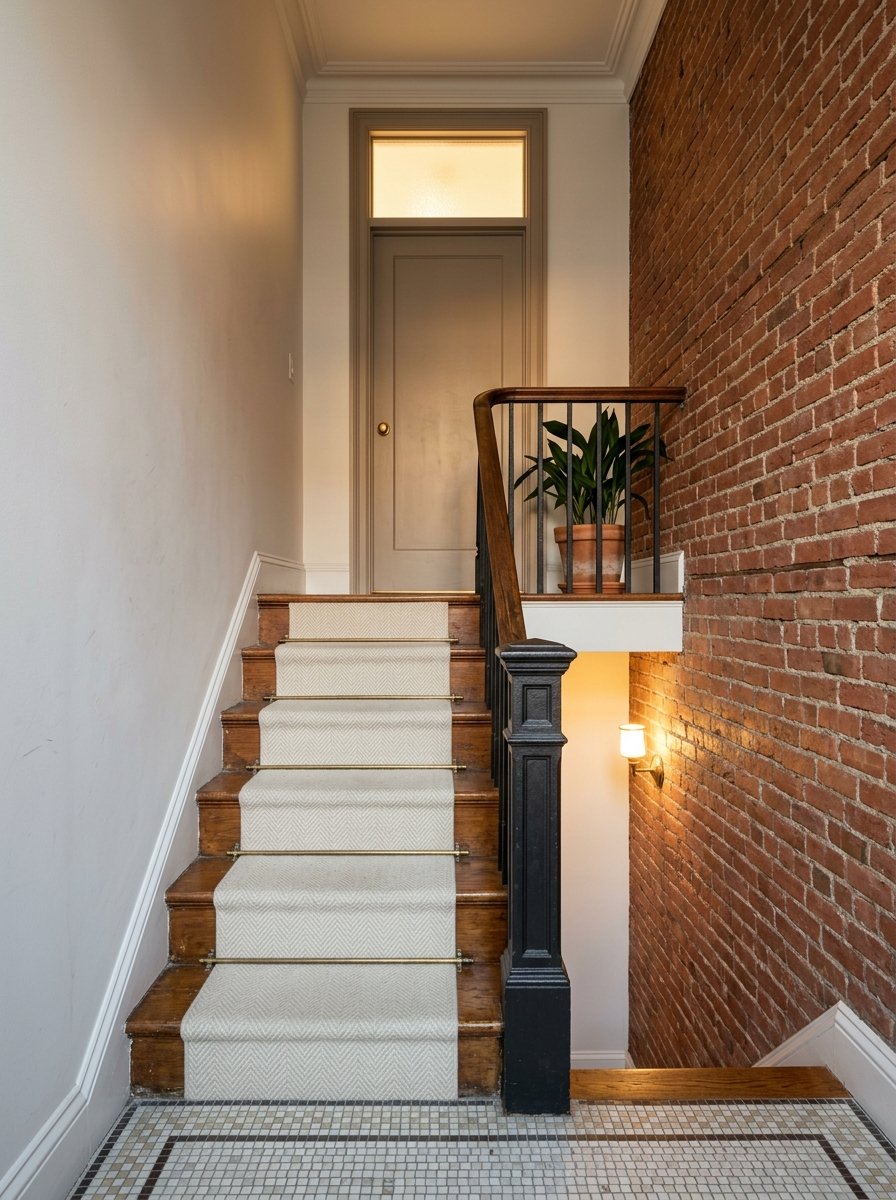
You’ll find a wide mix: prewar co-ops and brownstones, boutique condos, and a handful of newer luxury developments near Hudson Square and SoHo. For part-time living, look for buildings with reliable management, doorman or concierge coverage, and strong package handling. These details can be the difference between a low-stress landing pad and a weekly logistics puzzle.
Co-op vs. condo choices
Co-op implications
In a co-op, you buy shares and receive a proprietary lease rather than a deed. Boards can set strict policies on who may buy, how units may be used, and financial standards. Many co-ops limit or prohibit pied-à-terre use, enforce sublet rules, require post-closing liquidity, and may charge flip taxes at resale. Review the building’s proprietary lease, bylaws, and minutes before you write an offer. For a clear primer on structure and common rules, see PropertyShark’s guide to co-ops.
Condo advantages
Condos typically offer more flexibility for second-home use. You receive a deed, there is no traditional board interview, and rental policies are set by bylaws and house rules. That said, condos can still restrict short stays and require application packages. If you plan to finance, check whether the project is considered warrantable under Fannie Mae standards, since this can affect available loan programs and pricing.
Short-term rental rules
If you plan to offset costs with short stays, proceed carefully. New York City’s Local Law 18 requires host registration and prohibits whole-apartment rentals of fewer than 30 days unless the host is present. Booking platforms must verify registration. Many buildings also ban short-term rentals outright. Review the City’s OSE registration guidance and your building’s bylaws before you make short-term plans.
Financing and documentation
Second-home loans
Lenders usually classify a true pied-à-terre as a second home. Expect larger down payments, stronger reserves, and pricing that reflects non-primary occupancy. In Manhattan, jumbo financing is common, so engage a lender early and confirm building eligibility under Fannie Mae’s condo and occupancy guidance.
Foreign-national lending
If you’re a non-U.S. buyer, specialized “foreign national” programs exist. These often require larger down payments and thorough documentation, including proof of funds and identification. Program terms vary, but this overview of foreign-national mortgage options shows the general direction: lower maximum LTVs as loan size rises, with additional lender overlays.
Closing costs and taxes
New York imposes several closing taxes that can surprise second-home buyers. Budget for them early so you can compare properties on an all-in basis.
- State mansion tax: New York State charges an additional tax on residential conveyances of 1,000,000 dollars and above. The buyer is generally liable. Review the state’s current rules in Publication 577 when estimating your closing costs.
- NYC Real Property Transfer Tax: New York City imposes its own transfer tax with brackets tied to property type and price. This applies at closing and is separate from state taxes. See the City’s RPTT overview for current bands and filing rules.
- Mortgage recording tax: If you finance, New York charges a recording tax on the mortgage amount. Rates vary by loan size and county. Your attorney and lender will provide accurate figures during diligence.
Co-ops and condos may also charge building-level fees, and some co-ops impose flip taxes at resale. Ask for a detailed closing estimate and highlight any building transfer fees in your comparison.
Cross-border and residency considerations
FIRPTA and estate tax
If your seller is a non-U.S. person, you may see withholding at closing under FIRPTA rules. As a buyer, this typically flows through the closing agent, but it can affect timing and cash flow for both sides. Separately, nonresident, non-citizen owners should understand that U.S.-situs real property is subject to U.S. estate tax. Executors use IRS Form 706-NA instructions to determine filing thresholds and requirements. Coordinate with cross-border counsel early.
New York day-count risk
If you maintain a permanent place of abode in New York and spend enough days in the state, you could be treated as a New York tax resident for income tax purposes. Keep careful day counts and talk with your tax advisor if your visits may approach statutory thresholds.
A smart due-diligence checklist
Use this as your working list while you evaluate Greenwich Village options:
- Confirm ownership type and gather documents: offering plan, proprietary lease, bylaws, house rules, two years of minutes, and the latest audited financials. Watch for pied-à-terre language, sublet policies, flip taxes, and pending litigation. For structural differences, review PropertyShark’s co-op guide.
- If considering a co-op: request the board application, standard interview topics, typical timelines, and any post-closing liquidity requirements. Heavy financial vetting is common.
- Financing path: verify condo warrantability and second-home eligibility under Fannie Mae guidance. If you are a foreign national, confirm program requirements early with lenders.
- Taxes and closing costs: obtain a written estimate that itemizes state mansion tax per Pub 577 and the City’s RPTT, plus title, attorney, and lender fees.
- Short-term use: review the City’s Local Law 18 registration rules and your building’s bylaws. Assume nightly rentals are not permitted unless proven otherwise.
- Landmark status: before planning any exterior work, verify if the building lies in a protected district via Village Preservation. Build extra time into your renovation schedule if so.
- International planning: if you are a non-U.S. buyer, consult cross-border counsel on FIRPTA considerations and potential U.S. estate tax exposure using 706-NA guidance.
How we help you buy with confidence
You want a streamlined process, discreet guidance, and no surprises. Our team marries legal training with hands-on Greenwich Village experience to help you select the right building, anticipate board questions, and negotiate terms that protect your time and capital. We also surface strong pre-market and off-market opportunities when privacy or timing matters.
From first look to closing, we manage the details: document review, building due diligence, lender alignment, and a well-structured offer strategy. If you are a non-U.S. buyer, we coordinate with your tax and legal advisors so your structure, financing, and timeline work together.
Ready to explore Greenwich Village with a clear plan? Connect with Jed Lewin, Esq. to request a confidential consultation.
FAQs
Can you buy a Greenwich Village co-op as a pied-à-terre?
- Many co-ops restrict or prohibit pied-à-terre use and apply strict financial standards. Always verify the proprietary lease, bylaws, and minutes before offering.
Can you rent your Greenwich Village pied-à-terre on a nightly basis?
- New York City generally prohibits whole-apartment stays under 30 days unless the host is present, and many buildings ban short-term rentals. Review the City’s Local Law 18 guidance and your building’s house rules.
What closing taxes should you expect on a Manhattan pied-à-terre?
- Budget for New York State’s mansion tax on purchases of 1,000,000 dollars and above, the NYC Real Property Transfer Tax, and mortgage recording tax if you finance. Ask your attorney for a written estimate.
What should non-U.S. buyers know before purchasing in the Village?
- Plan for potential FIRPTA withholding if the seller is a non-U.S. person and assess U.S. estate tax exposure on U.S.-situs real property. Coordinate with cross-border tax counsel before you sign.
Are renovations restricted in Greenwich Village’s historic districts?
- Many blocks are landmarked. Exterior changes often require Landmarks Preservation Commission review, so confirm district status early and allow extra time in your budget and schedule.