Choosing your first Manhattan home can feel like picking between two versions of New York you already love. If you are torn between Greenwich Village and the Upper West Side, you are not alone. Both neighborhoods are established, expensive, and full of character, but they offer very different day-to-day experiences. This guide will help you compare the street feel, housing stock, pricing, and lifestyle tradeoffs so you can focus your search with more confidence. Let’s dive in.
Greenwich Village vs Upper West Side
If you are deciding between these two neighborhoods, the right answer usually comes down to how you want your home and your daily routine to feel.
Greenwich Village offers a more irregular, historic, and intimate setting. The Upper West Side feels broader, more residential, and more park-oriented. For a first-time buyer, that difference matters just as much as price.
Greenwich Village street feel
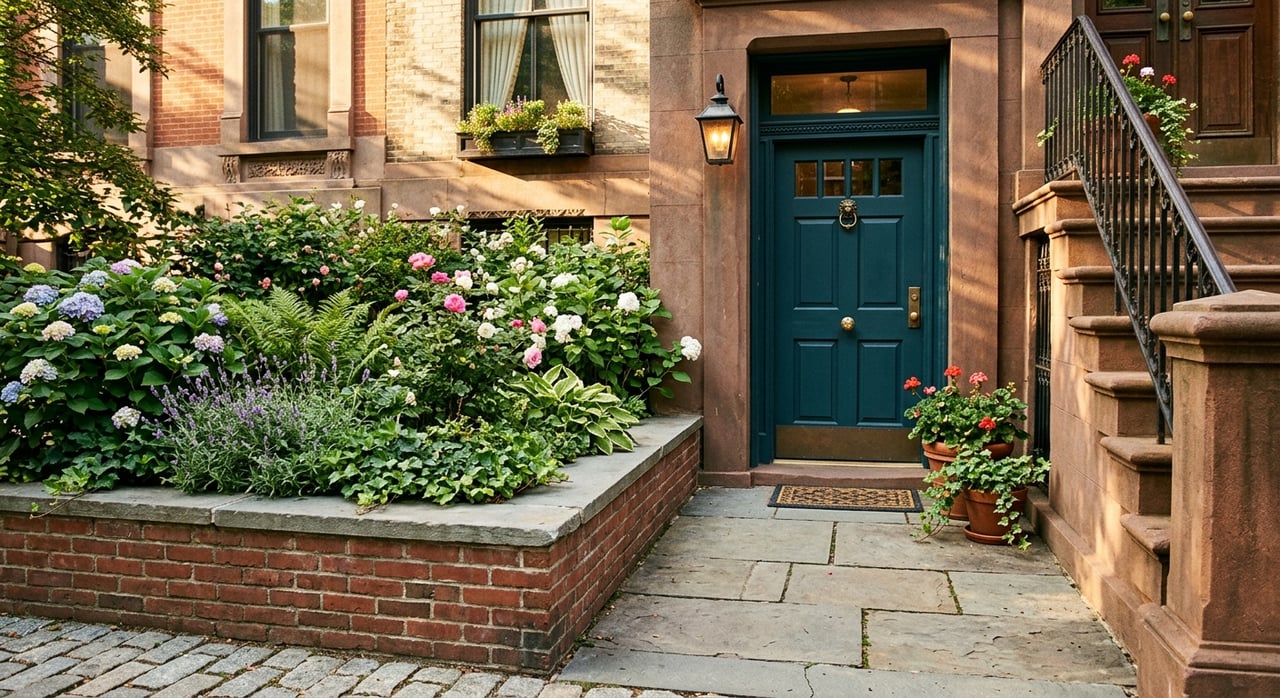
Greenwich Village is known for its unusual street pattern, smaller blocks, and historic texture. The Landmarks Preservation Commission describes streets with unexpected changes in direction, quaint smaller streets, and an architectural mix that includes Federal, Greek Revival, and Italianate homes.
Washington Square Park anchors the neighborhood’s eastern side and gives the area a clear cultural center. If you want a neighborhood that feels layered, storied, and a little less predictable from block to block, Greenwich Village often stands out.
Upper West Side street feel
The Upper West Side offers a more orderly and residential rhythm. It is framed by Central Park on one side and Riverside Park on the other, with wide tree-lined streets and a major commercial corridor along Amsterdam Avenue.
Its landmarked core includes many late-19th- and early-20th-century residential, institutional, and commercial buildings. If you prefer a calmer streetscape and a neighborhood that feels easier to read and navigate, the Upper West Side may feel more immediately comfortable.
Housing stock and home styles
For many first-time buyers, the biggest practical difference is not just the neighborhood vibe. It is the kind of homes you are likely to tour.
Greenwich Village and the Upper West Side can sit in a similar price conversation, but the inventory often looks very different.
Greenwich Village homes
Greenwich Village leans toward older low-rise housing. You will often see co-ops, townhouses, classic walk-ups, converted historic houses, and other smaller-scale buildings.
StreetEasy notes that much of the housing stock is older, with many walk-ups and no high-rises. That can be a draw if you value charm and individuality, but it can also mean fewer directly comparable options when you are trying to evaluate tradeoffs.
Upper West Side homes
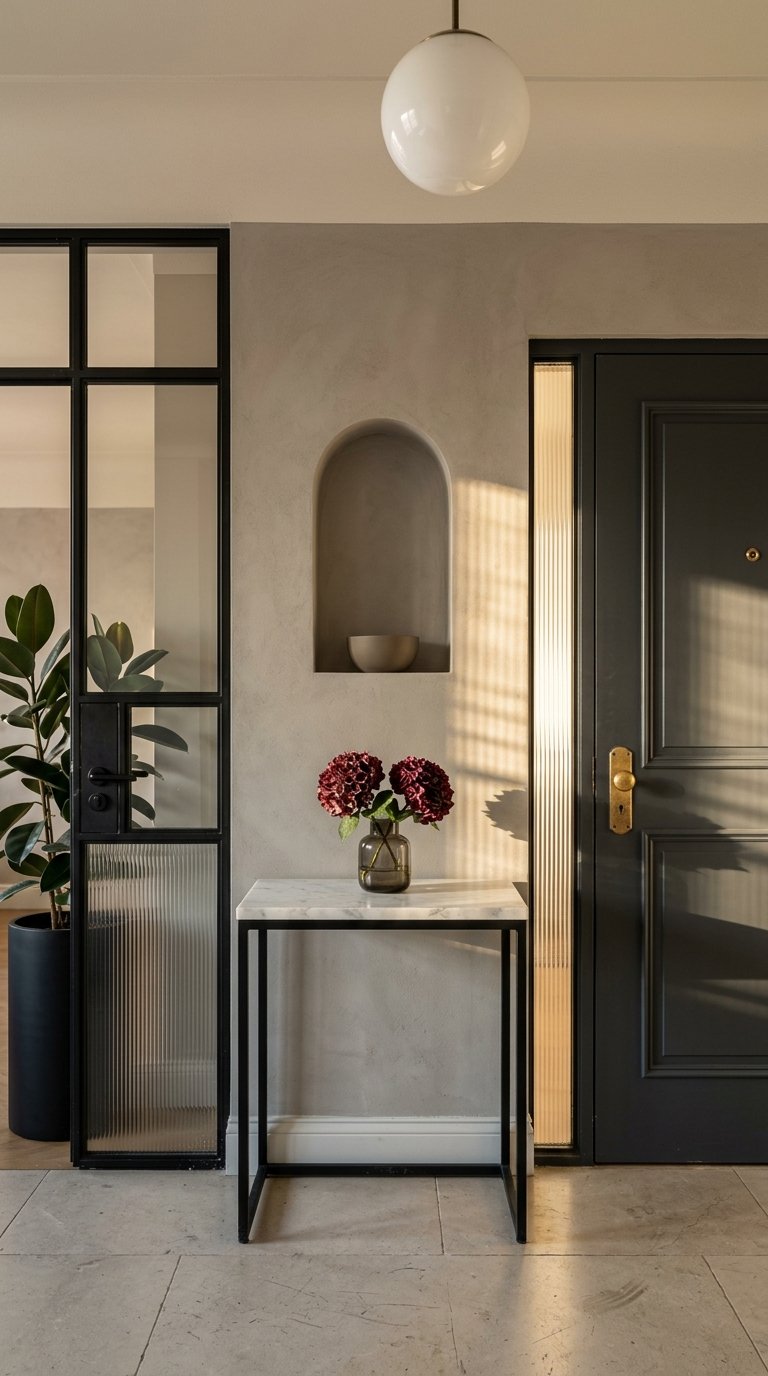
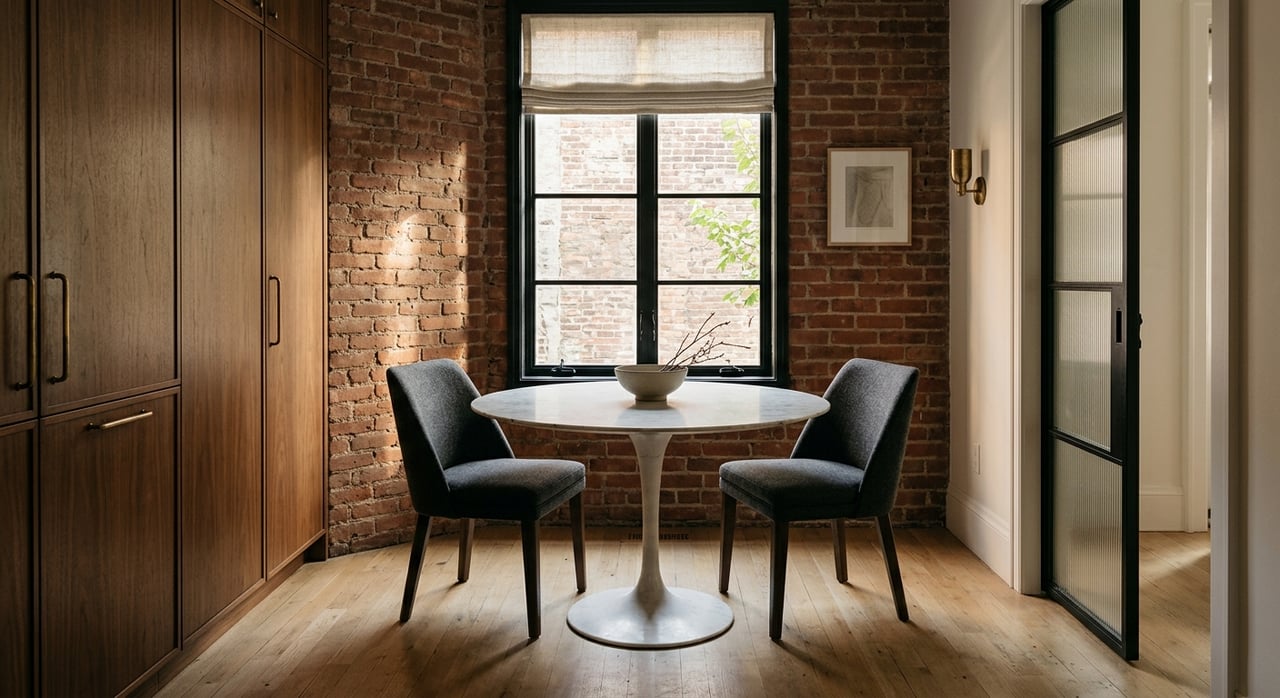
The Upper West Side has a deeper pool of large prewar apartment buildings, elevator buildings, some towers, and newer condos. Architecture ranges from Beaux-Arts to Renaissance Revival, and many homes are in substantial apartment buildings rather than smaller low-rise properties.
For a first-time buyer, this often means more opportunities to compare layouts, building types, and amenity levels within the same broad search area. If you want a wider menu of apartment formats, the Upper West Side may offer more flexibility.
Comparing prices right now
Price alone may not settle this decision, because recent data suggests the two neighborhoods are closer than many buyers assume.
Spring 2026 StreetEasy data placed median asking prices at about $1.8 million in Greenwich Village in April and about $1.8 million on the Upper West Side in May. Median sale prices were reported around $1.6 million in Greenwich Village and $1.4 million on the Upper West Side.
Entry points for first-time buyers
Even with median prices in that range, smaller entry-level opportunities still appear in both neighborhoods. Recent examples highlighted a $695,000 one-bedroom in Greenwich Village, along with a $625,000 studio and a $599,000 one-bedroom on the Upper West Side.
That said, once you move past studios and smaller one-bedrooms, prices often rise quickly into the low-to-mid seven figures. Larger layouts, prime blocks, outdoor space, views, and landmark addresses can push values higher in either neighborhood.
What price really means here
For a first Manhattan home, the question is often less about which neighborhood is cheap and more about what you get for a given budget. Greenwich Village may offer a scarcer, more distinctive product mix. The Upper West Side may give you more apartment-to-apartment comparison points within a similar overall pricing environment.
That distinction can make your search feel very different, even when your budget range stays the same.
Parks, culture, and daily life
Where you live in Manhattan shapes how you spend your free time. These two neighborhoods differ in the scale of their green space and the rhythm of their street life.
Greenwich Village lifestyle
Greenwich Village is centered around Washington Square Park, a 9.75-acre public park described by the Conservancy as the neighborhood’s historic and cultural heart. The broader area is also associated with restaurants, bars, live music venues, and institutions like the Public Theater.
If you want immediate street-level energy and a neighborhood that feels socially and culturally dense, Greenwich Village has a strong pull. Daily life there often feels animated right outside your door.
Upper West Side lifestyle
The Upper West Side has the larger-park advantage. Central Park runs from 59th to 110th Streets along its eastern edge, while Riverside Park includes 6 miles of parkland from West 59th Street to 181st Street.
StreetEasy also points to the area’s connection to Lincoln Center and the American Museum of Natural History. If your ideal routine includes long park walks, broader streets, and a slightly quieter residential rhythm, the Upper West Side may align better.
Which neighborhood fits your first purchase?
For most first-time buyers, this decision becomes clearer when you rank your top priorities. Start with how you want to live, then evaluate which housing stock best supports that lifestyle.
Greenwich Village may fit you better if
- You prioritize historic character and distinct block-by-block personality
- You enjoy active street life and a more intimate neighborhood feel
- You are comfortable focusing your search on older low-rise housing
- You value the idea of a scarcer, more storied apartment search
Upper West Side may fit you better if
- You want easier access to larger parks and longer recreational routes
- You prefer a calmer, more residential daily atmosphere
- You want a broader mix of prewar apartments, elevator buildings, and some newer condo options
- You value having more comparable apartment types within a similar price band
A smart first-buyer strategy
Before you commit to one neighborhood, it helps to compare them through the lens of your actual budget, space needs, and building preferences. A neighborhood can feel perfect in theory, but the available inventory may point you in a different direction.
In practice, first-time Manhattan buyers often benefit from narrowing the search by a few core filters:
- Budget ceiling and monthly carrying costs
- Co-op versus condo preferences
- Walk-up versus elevator building comfort
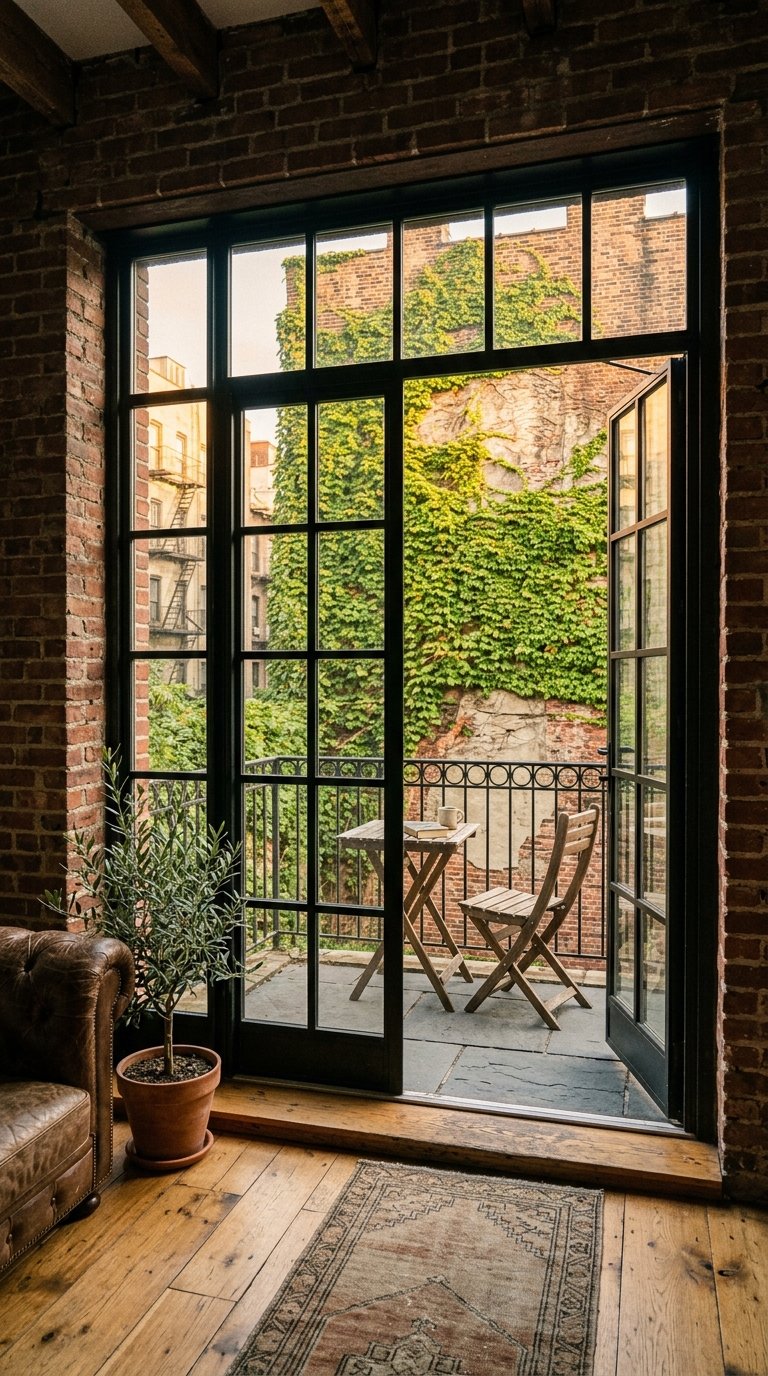
- Need for outdoor space, storage, or specific layout features
- Desired access to parks, dining, or cultural destinations
When you compare Greenwich Village and the Upper West Side this way, the tradeoffs become more concrete. Instead of asking which neighborhood is better, you can ask which one gives you the strongest match for the life you want to build.
If you want help weighing these tradeoffs, sourcing the right opportunities, and navigating the process with a calm, strategic approach, Jed Lewin, Esq. can help you evaluate both neighborhoods with clarity.
FAQs
Is Greenwich Village or the Upper West Side more expensive for a first Manhattan home?
- Recent StreetEasy data showed similar median asking prices of about $1.8 million in both neighborhoods, though median sale prices were reported around $1.6 million in Greenwich Village and $1.4 million on the Upper West Side.
What types of homes are common in Greenwich Village for first-time buyers?
- Greenwich Village commonly features older low-rise housing such as co-ops, walk-ups, townhouses, and converted historic homes.
What types of homes are common on the Upper West Side for first-time buyers?
- The Upper West Side is known for large prewar apartment buildings, elevator stock, some towers, and newer condo options.
Which neighborhood has better park access, Greenwich Village or the Upper West Side?
- The Upper West Side has broader park access because it sits between Central Park and Riverside Park, while Greenwich Village is centered more closely around Washington Square Park.
Is Greenwich Village or the Upper West Side better for a quieter Manhattan lifestyle?
- Based on neighborhood descriptions in the research, the Upper West Side generally offers a calmer and more residential feel, while Greenwich Village tends to have denser street-level activity.
Can first-time buyers still find homes under $700,000 in Greenwich Village or the Upper West Side?
- Recent examples show that sub-$700,000 opportunities do still appear in both neighborhoods, especially studios and smaller one-bedrooms, though they are less common than higher-priced listings.