Are you thinking about trading extra square footage for a simpler, more comfortable Manhattan lifestyle? On the Upper West Side, that trade can make a lot of sense if you want parks, transit, culture, and daily essentials close at hand. The key is knowing which building, ownership type, and block pattern best support the way you want to live. Let’s dive in.
Why the Upper West Side Works
The Upper West Side offers a rare mix of convenience and neighborhood rhythm. Manhattan Community Board 7 spans roughly 59th to 110th Streets between Central Park and the Hudson River, with Broadway, Amsterdam Avenue, and Columbus Avenue serving as core commercial corridors.
For many downsizers, that layout matters as much as the apartment itself. Furman Center data show 130,471 housing units in the area, a 35.6% homeownership rate, and a 90.4% car-free commute rate in 2024. In practical terms, that points to a place where errands, dining, and commuting often happen comfortably without a car.
If your goal is ease, the neighborhood checks many boxes. You can keep your routine compact while staying connected to the cultural and outdoor experiences that make Manhattan living rewarding.
Everyday Comfort Starts With Location
One of the strongest reasons to downsize on the Upper West Side is how much is built into daily life. Official transit resources identify the 1, 2, and 3 trains at 72nd Street, the 1 train at 66th Street, and the A, B, C, D, and 1 hub at 59th Street-Columbus Circle.
Crosstown connections also help reduce friction. The M79 SBS and M86 SBS provide east-west service, and Lincoln Center notes that the M5, M7, M10, M11, and M104 all stop within one block of campus. If you want a home base that makes appointments, outings, and visits feel easier, this transit network is a major advantage.
Parks are another part of the comfort equation. Central Park’s west side access opens the door to 843 acres of green space, while Riverside Park runs along six miles of parkland from 59th to 181st Street and includes amenities such as restrooms, playgrounds, and tennis courts.
The neighborhood’s cultural anchors also support a rich but manageable routine. The American Museum of Natural History sits at 200 Central Park West, Lincoln Center spans West 62nd to 65th Streets, and Symphony Space anchors Broadway and 95th Street. These institutions also publish accessibility information, which can be especially useful if you are planning with long-term ease in mind.
Choosing Between a Co-op and Condo
On the Upper West Side, your ownership structure shapes your experience almost as much as your floor plan. For downsizers, that choice often comes down to monthly costs, flexibility, and comfort with building rules.
In a co-op, you buy shares in a corporation and receive a proprietary lease. Maintenance charges are based on the number of shares allocated to your apartment. In a condo, you own the unit itself plus an undivided interest in the common elements, and you pay common charges.
That difference affects both financing and ongoing carrying costs. It can also influence how simple or complex the purchase process feels. If you are aiming for a smoother move, it helps to understand those tradeoffs early rather than halfway through a search.
Recent pricing snapshots show a notable gap between the two property types on the Upper West Side. PropertyShark’s April 2026 data list median sale prices at $2.4 million for condos and $1.4 million for co-ops. Furman Center’s inflation-adjusted 2024 condominium median sale price is $1,567,500 in 2025 dollars, using a different methodology, but the broader pattern is clear: condos generally command a higher price point.
Why Existing Buildings Require Careful Review
The Upper West Side remains a neighborhood shaped by existing housing stock. Furman Center reports only 37 units authorized by new residential building permits in 2025 and 166 certificates of occupancy, after 6,297 units in 4+ unit buildings were built from 2010 to 2025.
That means most downsizers will be choosing among resales, not a large wave of new development. In many cases, you will be comparing building quality, layout efficiency, and operating rules more than flashy new inventory.
That also makes due diligence especially important. The New York State Attorney General recommends reading the full offering plan and consulting an attorney before signing a purchase agreement for a co-op or condo.
The same guidance recommends looking closely at facade conditions, roofs, elevators, HVAC, windows, electrical wiring, plumbing, and other building systems. It also advises reviewing board minutes and financial reports for signs of defects or upcoming repairs. For a downsizer, this is not just about risk. It is about avoiding future inconvenience in a home that is supposed to make life easier.
Prewar Character and Practical Fit
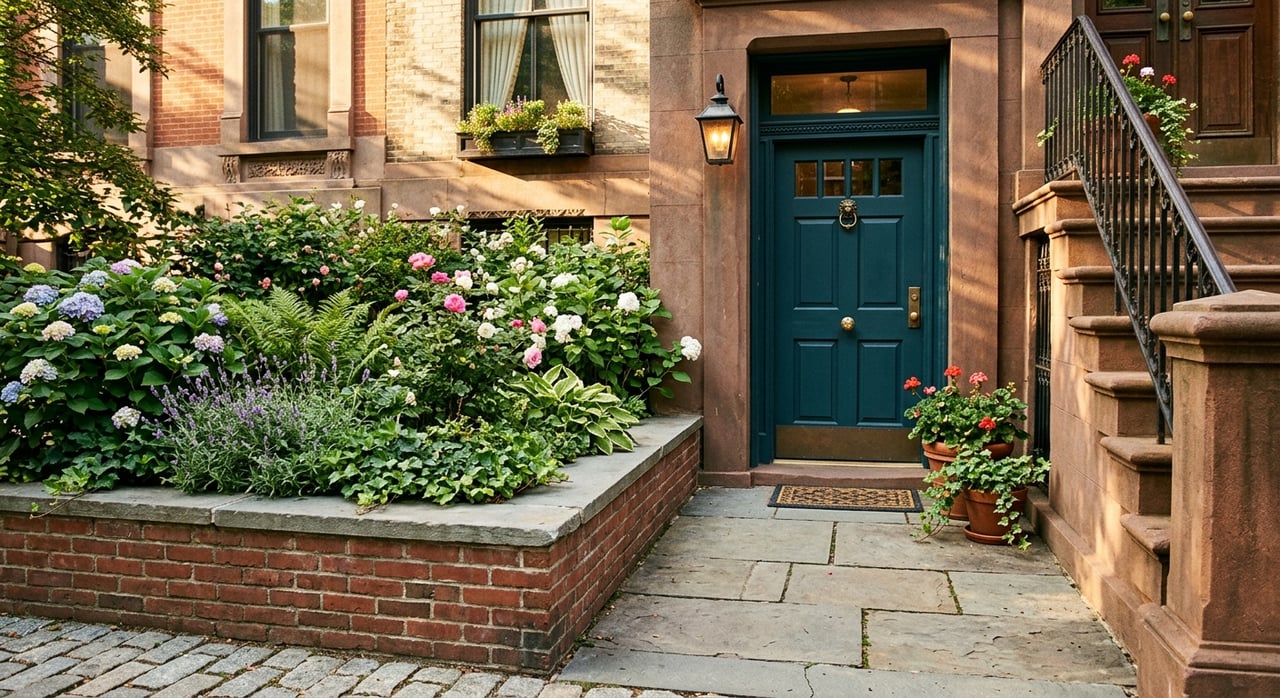
Many Upper West Side buildings along Amsterdam and Columbus were built in the early 1900s through the 1920s. The Department of City Planning notes that Broadway tends to have a wider, higher-density retail pattern, while those corridor buildings often reflect older architectural layouts.
That character is part of the neighborhood’s appeal, but it can come with tradeoffs. If you want broader entryways, more closet space, or an open-plan renovation, you may need to be selective about building type and line. A beautiful address does not always guarantee the most functional fit.
This is where a disciplined search matters. A well-chosen apartment should match not only your budget, but also the way you want to move through your home every day.
Renovation Plans Need an Early Check
If you are downsizing, you may expect to customize the space to make it work better. That is reasonable, but on the Upper West Side, exterior changes and some other alterations may be affected by preservation rules because large portions of the neighborhood are landmarked historic districts.
If you hope to replace windows, combine rooms, or alter a feature visible from the facade, confirm the rules early. It is far better to understand what is possible before you commit to a layout than after you are emotionally invested.
Building-level permissions matter too. Along with preservation considerations, review renovation policies, move rules, and any practical limits that could affect timing, cost, or convenience.
A Smart Downsizing Checklist
When you begin your search, focus on the factors that affect day-to-day comfort most.
- Ownership type: Decide whether a co-op or condo better matches your budget, financing needs, and comfort with building structure.
- Monthly carrying costs: Compare maintenance or common charges carefully, not just purchase price.
- Storage: Check whether the apartment and building offer enough space for what you plan to keep.
- Elevator reliability: In an existing-stock market, building operations can matter just as much as finishes.
- Move rules: Ask about hours, fees, reservations, and any restrictions that could complicate your transition.
- Guest or sublet rules: Understand the building’s policies before you buy.
- Renovation permissions: Confirm what work is allowed, especially in older or landmarked buildings.
- Building condition: Review board minutes, financial reports, and major system history for signs of upcoming repairs.
These details may seem small at first. In reality, they often determine whether your next home feels calm and easy or unexpectedly complicated.
Matching Lifestyle to the Right Block
The Upper West Side is not one-size-fits-all. Broadway, Amsterdam, and Columbus each shape daily life a little differently because they serve as major neighborhood corridors.
For some buyers, being close to broader retail patterns and multiple transit connections will feel most convenient. For others, proximity to either Central Park or Riverside Park may be the bigger priority. The right answer depends on how you spend your time and what kind of rhythm feels most comfortable now.
Downsizing works best when you are clear about what you are keeping and what you are gaining. On the Upper West Side, you may give up some space, but you can gain a walkable setting, rich transit access, established housing stock, and daily proximity to parks and culture.
A thoughtful move here is rarely about square footage alone. It is about choosing the right combination of apartment, building, and block so your next chapter feels lighter, simpler, and well supported. If you want a calm, strategic approach to evaluating co-ops, condos, and off-market opportunities on the Upper West Side, Jed Lewin, Esq. can help you navigate the process with clarity and discretion.
FAQs
What makes the Upper West Side appealing for downsizers?
- The Upper West Side offers a walkable, transit-rich setting with major commercial corridors, easy park access, and well-known cultural institutions, which can make daily life feel easier without relying on a car.
What is the difference between a co-op and condo on the Upper West Side?
- In a co-op, you buy shares in a corporation and receive a proprietary lease, while in a condo, you own the unit plus an interest in the common elements and pay common charges.
Are Upper West Side condos more expensive than co-ops?
- Recent market snapshots in the research report show condos at a higher median sale price than co-ops on the Upper West Side.
Why should Upper West Side buyers review building documents carefully?
- The New York State Attorney General recommends reviewing offering plans, board minutes, financial reports, and major building systems to identify possible repairs, defects, or future costs.
Are most Upper West Side homes new construction?
- No. The research indicates the market is still dominated by existing housing stock, so most buyers will be evaluating resales rather than a large supply of newly built units.
Can landmark rules affect Upper West Side renovation plans?
- Yes. Because large portions of the neighborhood are in landmarked historic districts, some exterior alterations and other changes may require additional review.