If you are thinking about giving up square footage but not the rhythm, culture, and convenience that make Manhattan life feel rich, Greenwich Village deserves a serious look. Downsizing here is rarely about simply buying a smaller home. It is about choosing a neighborhood where daily life can still feel full, connected, and comfortable. This guide will help you think through the tradeoffs, the building features that matter most, and the practical questions to answer before you make a move. Let’s dive in.
Why Greenwich Village Works
Greenwich Village has a long-established identity within Manhattan Community Board 2, an area that runs roughly from 14th Street to Canal Street and from the Hudson River to the Bowery and Fourth Avenue corridor. According to the Manhattan Community Board 2 overview, the area is known for its landmarked streetscapes, political activism, and arts history. That sense of place is part of what makes the neighborhood appealing when you want less home to manage without feeling like you are giving something up.
For many downsizers, it also matters that this is a neighborhood where older adults are a meaningful part of the local population. The CB2 FY25 district statement reports that seniors account for 16.5% of the district population, compared with 14.1% citywide. The same report notes that many residents are aging in place, which speaks to the neighborhood’s ongoing relevance for buyers planning several years ahead.
Comfort Starts With the Right Building
Downsizing in Greenwich Village often succeeds or fails based on the building, not just the apartment. The neighborhood’s housing stock is charming, but it is not uniform. StreetEasy’s Greenwich Village neighborhood profile notes that the area includes many older buildings, with small kitchens, smaller bathrooms, and relatively few high-rises.
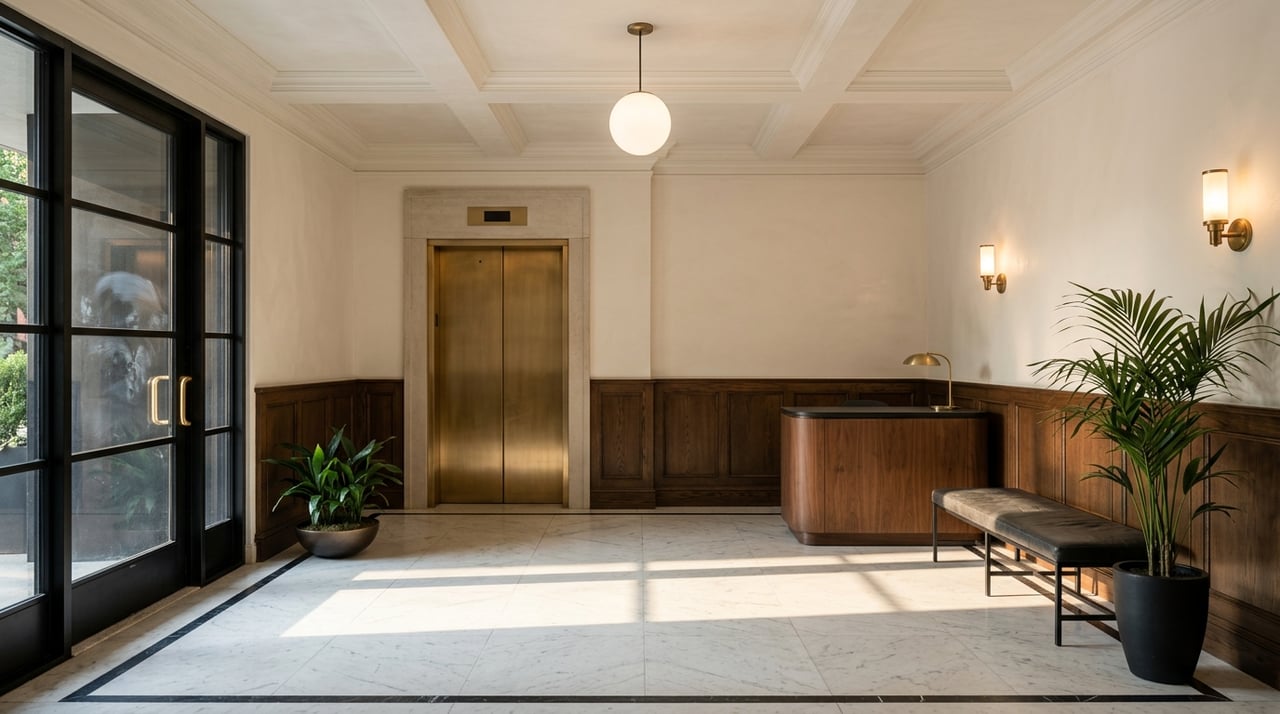
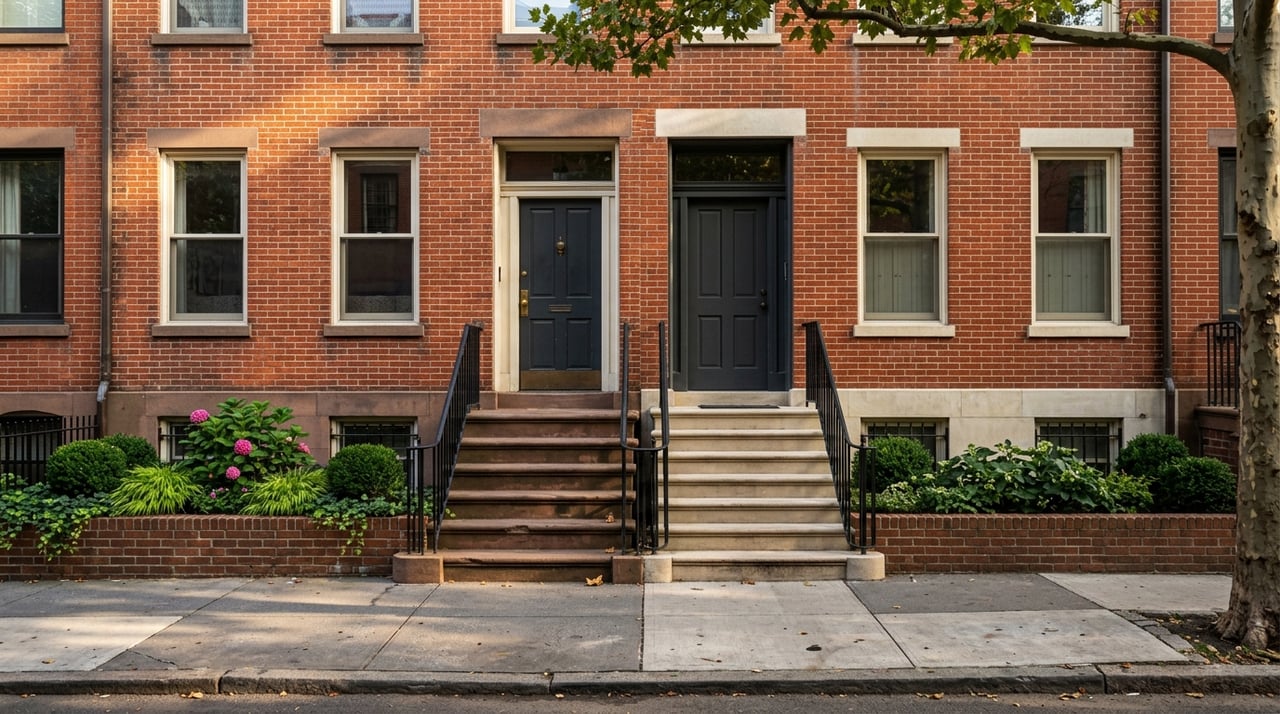
That point matters because some features should be treated as essentials, not wish-list items. Elevator access, easier circulation, and practical storage can make a major difference if you are planning for long-term comfort. In a neighborhood where walk-ups still make up a meaningful share of the housing stock, a doorman or elevator building usually requires a more targeted search.
The local building mix reinforces that reality. The Manhattan Borough President’s housing data for Community District 2 shows that nearly 38% of lots contain mixed-use buildings and 19% of buildings are multifamily walk-ups, as cited in the NYC Planning district profile. If you want a smoother day-to-day experience, it helps to decide early which features are non-negotiable.
Features Worth Prioritizing
When you are trying to downsize without compromising comfort, focus on function before square footage. In Greenwich Village, that usually means looking closely at:
- Elevator access
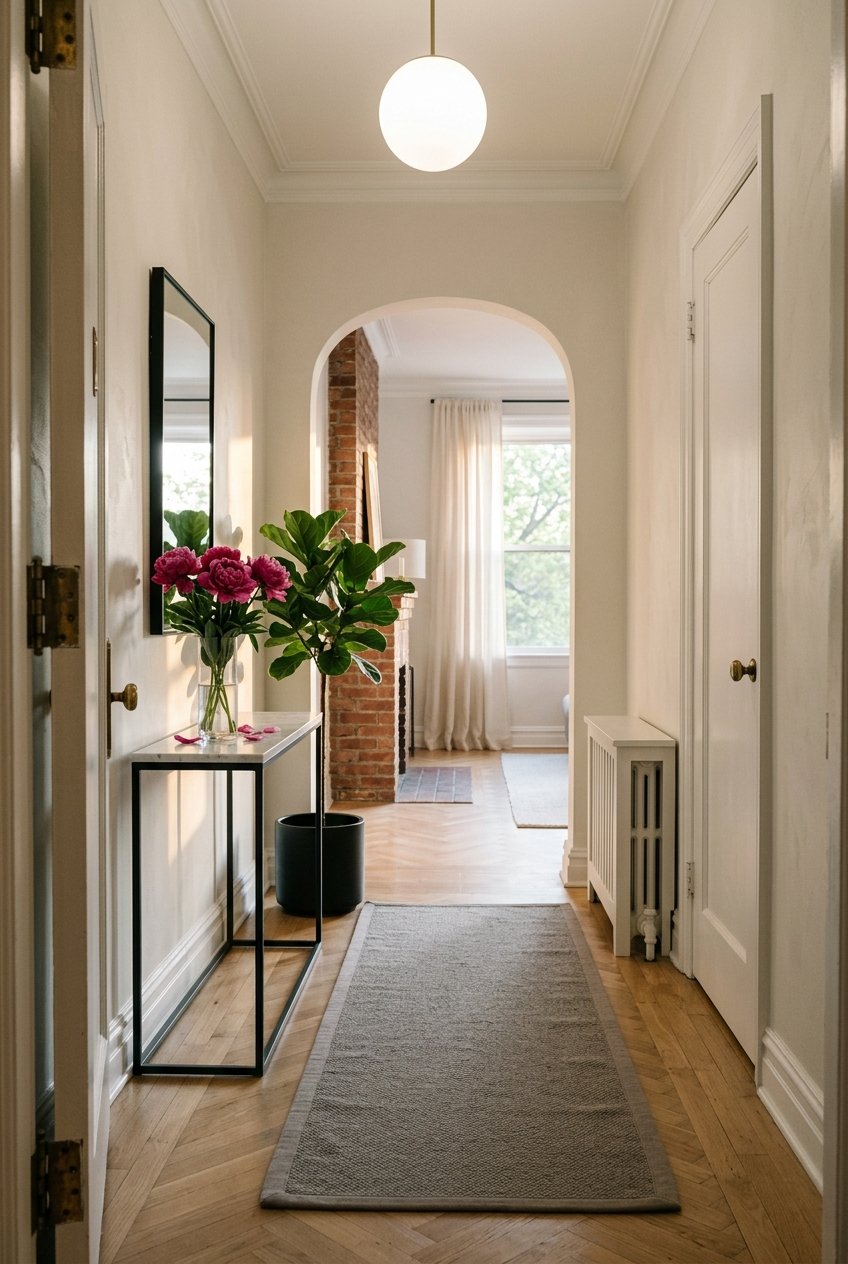
- Simple, efficient layouts
- Good in-unit storage
- Laundry access, if important to your routine
- Minimal stairs within the apartment
- Building staff or doorman service, if you want more day-to-day support
- A quieter exposure if you are sensitive to street activity
A smaller home can live much better than a larger one if the layout supports how you actually move through your day.
Historic Character Comes With Rules
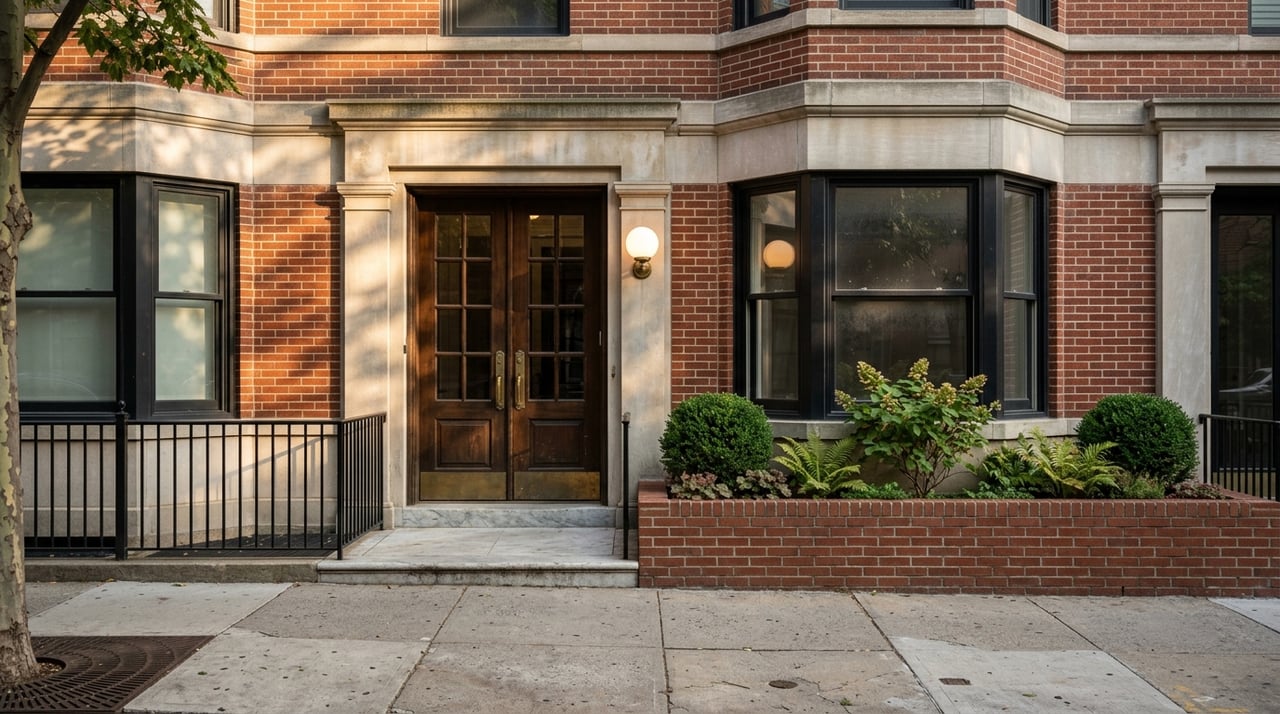
Greenwich Village’s appeal is tied closely to its historic fabric. The National Park Service profile of the Greenwich Village Historic District highlights the neighborhood’s Federal, Greek Revival, Gothic Revival, and Italianate architecture. For many buyers, that character is exactly the point.
Still, charm can come with added planning. The NYC Planning profile for Manhattan Community District 2 notes that work in historic districts remains subject to Landmarks Preservation Commission review. If you are buying with renovation plans in mind, especially for exterior elements or additions, it is wise to understand those constraints early.
What This Means for Downsizers
If you are moving from a larger home where customization was easy, Greenwich Village may require a different mindset. Some updates inside a unit may be straightforward, while others can involve building rules, landmark considerations, or both. The key is to evaluate not only what the apartment is today, but also what it can realistically become.
Daily Life Can Feel Bigger Than the Apartment
One reason downsizing works well in Greenwich Village is that the neighborhood itself acts like an extension of your home. Public spaces, cultural venues, and everyday conveniences can reduce the need for extra private square footage. If your next chapter is about ease and access, that matters.
Washington Square Park remains the symbolic center of the neighborhood, while the Greenwich Village section of Hudson River Park offers an uninterrupted esplanade, lawns, piers, and public seating. For buyers who want room to walk, sit, meet friends, or simply spend time outside, those amenities can meaningfully improve daily comfort.
The neighborhood also offers remarkable cultural density. The National Park Service describes the district as a center for NYU, jazz clubs, Off-Broadway theaters, the Whitney Museum of American Art, and Parsons School of Design. Community Board 2 likewise points to a deep mix of theaters, music venues, and arts organizations in the district.
Everyday Supports Matter Too
Comfort is not only about beauty or culture. It is also about practical support. The Jefferson Market Library is fully accessible and offers books, Wi-Fi, computers, classes, and programs for all ages, adding a useful civic resource right in the neighborhood.
For older adults and families helping with a move, service access can be important as well. The research report notes that Greenwich House offers case-management support related to Medicare, Medicaid, SNAP, SCRIE, HEAP, transportation, home-care referrals, and legal services. That kind of neighborhood infrastructure can make a smaller home feel more workable over time.
Healthcare access is another practical part of the equation. Northwell reports that its Greenwich Village hospital site is expanding from an emergency-room-only facility into a more comprehensive center with inpatient care and a cardiac cath lab. For many downsizers, nearby care is part of the comfort calculation, even if it is not the first thing they think about.
Be Honest About Street Conditions
Not every block feels the same, even within a highly desirable neighborhood. The CB2 district statement notes that narrow streets and active sidewalk or roadway dining can create noise, trash, and access challenges on some blocks. That does not make the neighborhood less compelling, but it does mean that location choice becomes highly specific.
If quiet matters to you, it is smart to visit a property more than once. A block that feels charming at 11 a.m. may feel very different in the evening or on a weekend. When you are downsizing, your home often needs to work harder, so the immediate surroundings deserve careful attention.
Financial Tradeoffs to Plan Early
In Greenwich Village, the financial decision is about more than sale price alone. The move has to make sense after transfer taxes, financing costs, and the realities of a competitive market. That is especially important if you are selling a larger property and trying to understand your true net proceeds.
According to the NYC Department of Finance, the seller typically pays New York City real property transfer tax, which is 1% at $500,000 or less and 1.425% above that amount. New York State also adds a transfer tax of $2 for every $500 of consideration, and a 1% mansion tax applies to residences sold for $1 million or more. If you are financing the purchase, mortgage recording tax can apply in New York City as well.
In a neighborhood that StreetEasy describes as competitive and supply-constrained, those costs should be part of your planning from the beginning. A move that sounds logical on paper can feel different once taxes and closing costs are fully modeled.
Questions to Ask Before You Commit
Before you decide that a smaller home is the right move, it helps to answer a few practical questions:
- How much space do you actually use every week?
- Which rooms or features are essential to your routine?
- Would an elevator building improve long-term comfort enough to justify a higher price?
- Are you willing to trade square footage for a better location and more walkable daily life?
- What will your net proceeds look like after taxes and transaction costs?
- If you want to renovate, what approvals may be required?
These are the kinds of questions that can keep a smart downsizing move from becoming an expensive compromise.
Flood and Location Risk
If you are considering west-side blocks or lower-level spaces, location-specific risk deserves attention. The CB2 district statement notes that the district includes more than a mile of waterfront along the Hudson and that more than 10,000 residents live within the FEMA 0.2% annual-chance floodplain. That does not affect every property the same way, but it should be part of your early review.
This is especially relevant if you are looking at ground-floor units, basement-adjacent spaces, or homes on western edges of the neighborhood. Insurance questions and building-level resilience are worth reviewing before you get too far into the process.
A Smarter Downsizing Strategy
The best Greenwich Village downsizing moves are usually not the smallest ones. They are the most intentional ones. Instead of asking only how much space you can give up, ask what combination of layout, building services, location, and neighborhood access will allow you to live well with less.
That is where disciplined search strategy matters. In a neighborhood with older housing stock, landmark considerations, and meaningful block-by-block variation, the right fit often comes from filtering carefully, evaluating tradeoffs clearly, and negotiating with a long view. If you want a calm, strategic approach to finding or selling into your next chapter, Jed Lewin, Esq. can help you think through the options with discretion and precision.
FAQs
Is Greenwich Village a good neighborhood for downsizing in Manhattan?
- Yes. Greenwich Village offers strong cultural amenities, parks, transit-oriented living, and a meaningful population of older adults, all of which can support a comfortable downsizing move.
Are elevator buildings common in Greenwich Village apartments?
- No. The neighborhood includes many older buildings and walk-ups, so elevator access and doorman service are features you often need to search for very deliberately.
Do landmark rules affect Greenwich Village apartment renovations?
- They can. Historic-district work may be subject to Landmarks Preservation Commission review, so renovation plans should be evaluated early.
What daily-life amenities support downsizing in Greenwich Village?
- Buyers often value access to Washington Square Park, Hudson River Park, cultural venues, the accessible Jefferson Market Library, local support services, and nearby healthcare facilities.
What taxes should buyers and sellers consider in a Greenwich Village move?
- Transfer taxes, mansion tax thresholds, and possible mortgage recording tax can all affect the total cost of a move in New York City.
Should buyers worry about noise on Greenwich Village blocks?
- It depends on the block. Community Board 2 notes that narrow streets and active dining corridors can create noise and access challenges, so repeat visits at different times of day are wise.
Is flood risk relevant when buying in Greenwich Village?
- Yes, in some locations. West-side blocks, ground-floor units, and basement-adjacent spaces may warrant closer review because parts of the district fall within the FEMA 0.2% annual-chance floodplain.