Ever wonder why so many New Yorkers daydream about the Village? Maybe you picture leafy blocks, a coffee in hand, jazz after dinner, and everything you need within a few minutes’ walk. If you are thinking about living here, you want a clear sense of the streets, the lifestyle, and what it takes to buy or rent. This guide walks you through daily life, transit, housing types, price expectations, and the practical rules that shape ownership in Greenwich Village. Let’s dive in.
Where Greenwich Village sits
Greenwich Village sits in lower Manhattan between Houston Street and 14th Street, with Washington Square Park at its heart. You are just west of Union Square and south of Chelsea, with the East Village next door. The neighborhood is compact and easy to traverse, with short blocks and lots of small, pedestrian-friendly streets.
Transit is excellent. Multiple subway lines and bus routes run through and around the Village, so getting to Midtown or Downtown is fast. Citi Bike docks and nearby bike routes, including the Hudson River Greenway, make cycling practical. Driving and on-street parking are difficult, which is why many residents do not keep a car.
Streetscape and architecture
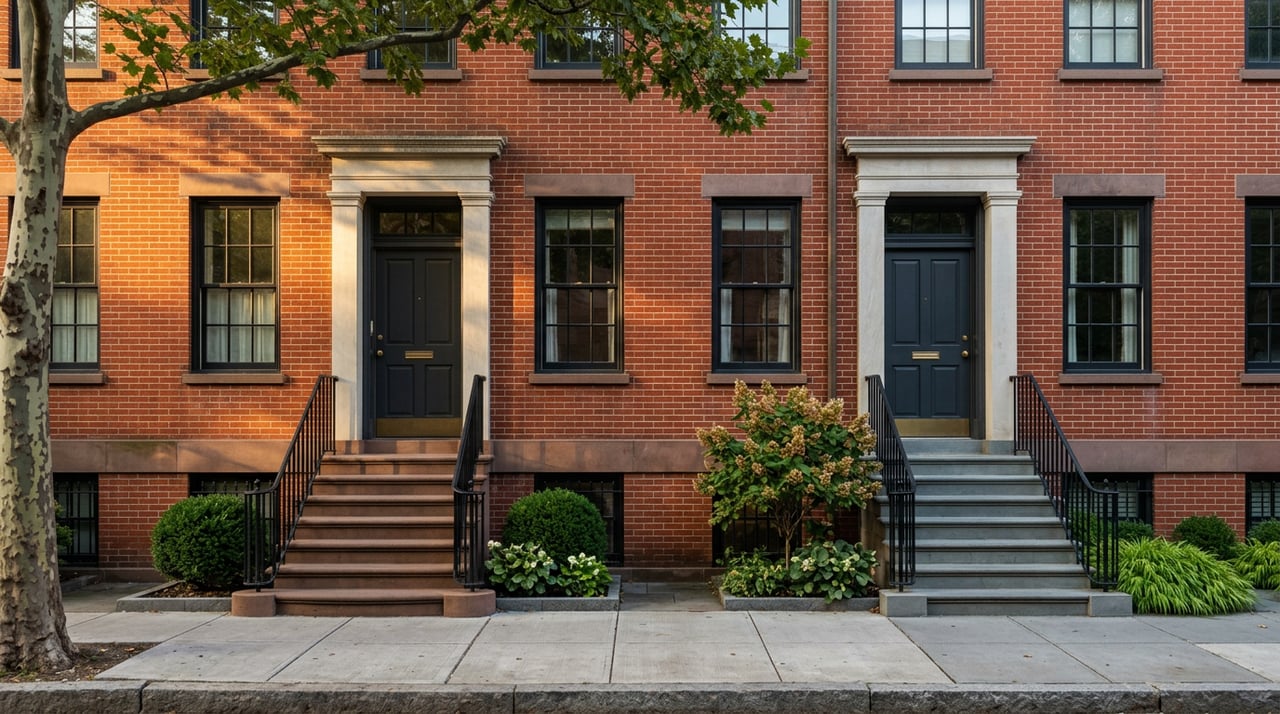
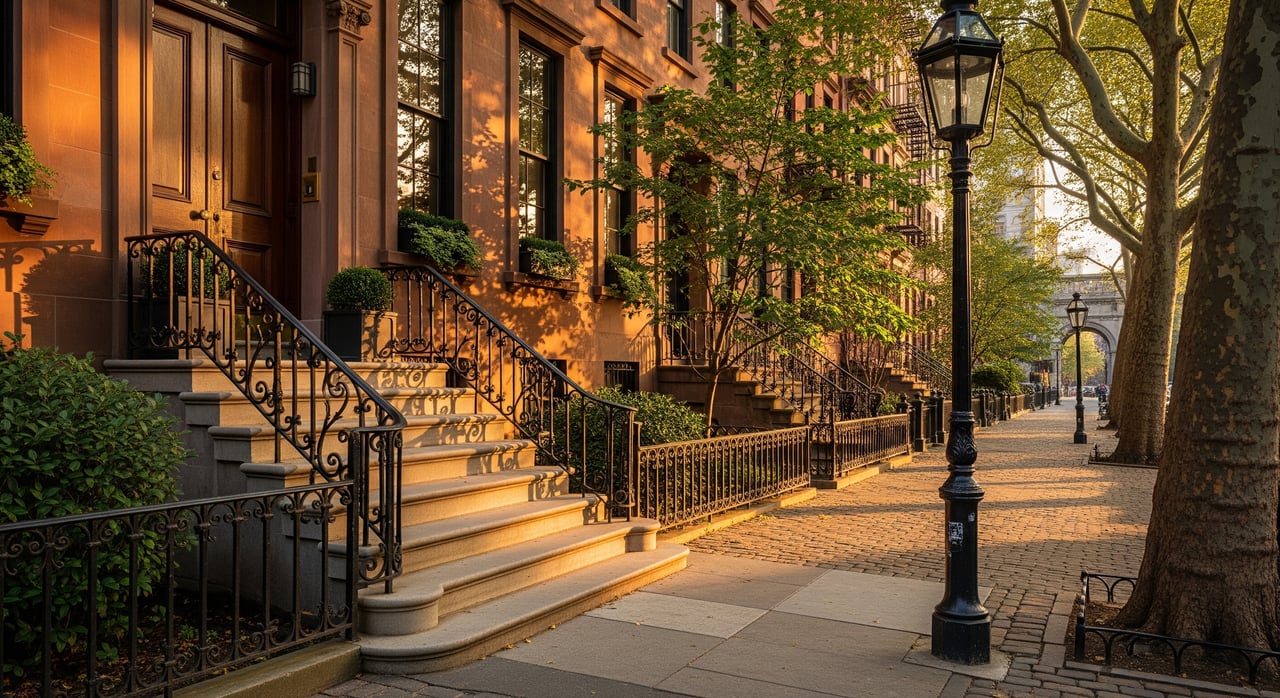
Greenwich Village feels intimate and historic. Instead of rows of tall towers, you see tree-lined blocks, 19th-century townhouses, and prewar apartment buildings that top out in the mid-rise range. It is layered and residential, with stoops, cafés, and small shops at street level.
Historic districts and preservation
Large parts of the Village are in landmarked historic districts. That protects the look and scale of many streets. It also means exterior changes often need approval and timelines can stretch. Interior work is more flexible unless the interior itself is landmarked, but building systems and windows that affect the façade can still trigger review.
Building types you will see
- Federal, Greek Revival, and Italianate rowhouses and brownstones, some single-family, some divided into a few apartments.
- Prewar walk-ups and elevator buildings, generally 4 to 12 stories.
- Classic co-ops and boutique condos, with a few newer or luxury infill options closer to 14th Street or along the avenues.
Street-level life
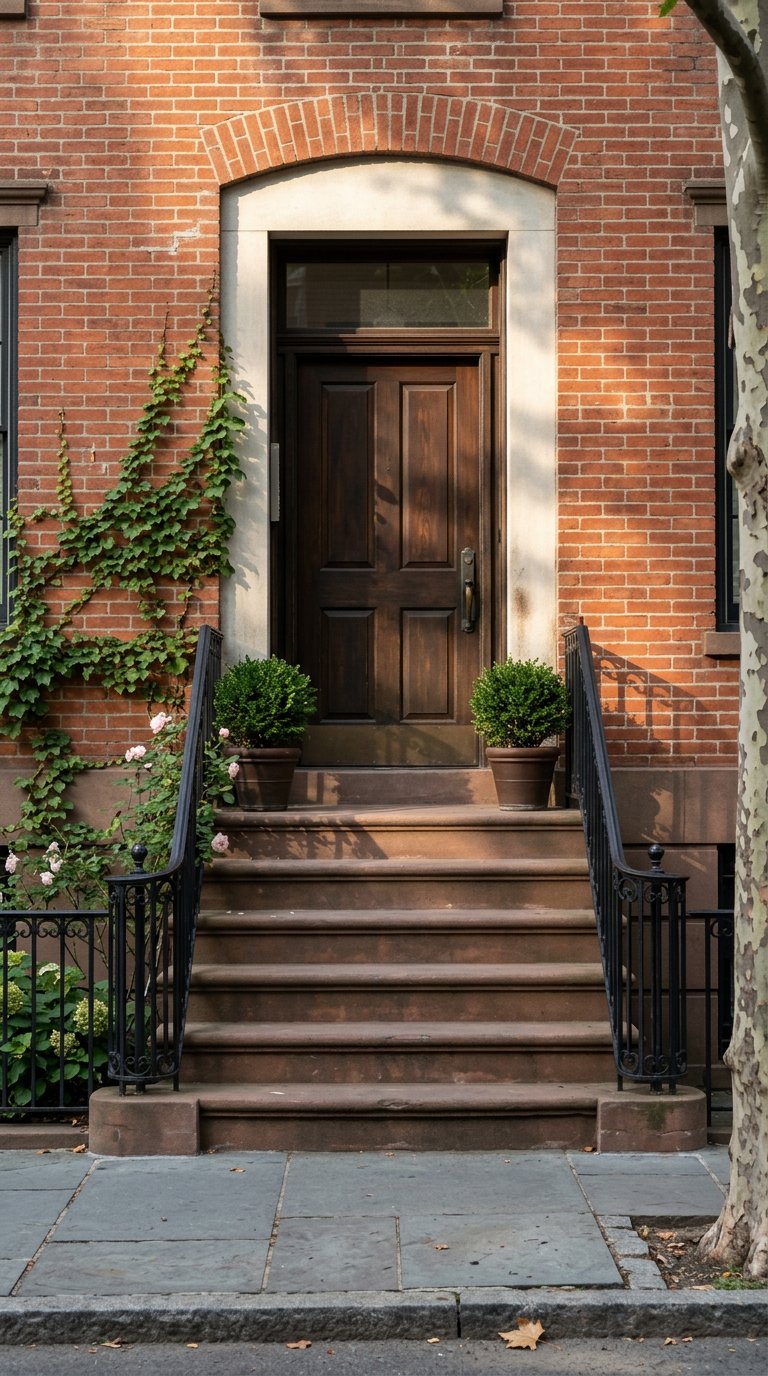
You will notice stoops with planters, string lights over café patios, and the occasional cobblestone lane. Small bookstores, music venues, and specialty food shops sit alongside neighborhood restaurants and coffee bars. Bicycles are locked to railings, and you will see plenty of dog-walkers throughout the day.
Daily life and amenities
Parks and the outdoors
Washington Square Park is the neighborhood’s living room. The arch and fountain anchor a constant flow of chess players, students, and performers. On the west side, Hudson River Park and the Greenway offer running and cycling with waterfront views. Pocket parks and community gardens give you quiet options closer to home.
Dining and coffee
Food is a major perk. The Village mixes long-running institutions with new concepts, plus bakeries, bodegas, and casual cafés. You can grab a great espresso, find a late-night bite near the busier corridors, or sit down for a thoughtful dinner. The Union Square farmers market is a short walk for fresh produce and specialty items.
Culture and nightlife
This is a historic center for jazz, comedy, Off-Broadway, and small clubs. The arts scene still hums, with intimate venues and readings. NYU adds bookstores, galleries, and performance spaces, along with extra foot traffic during the academic year.
Shopping and services
Expect independent boutiques, artisanal shops, pharmacies, and everyday services like dry cleaning and salons. Smaller-format groceries dot the area, and you will find larger options closer to the major avenues and near Union Square.
Education and healthcare
Public school zoning follows NYC Department of Education rules. Many families consider a mix of public, charter, and private options. For specifics, check official school zone maps. Major medical centers are a short ride away in Manhattan, including facilities near Union Square and the East Village.
Getting around
- Subways and buses: Frequent service puts Midtown and Downtown within quick reach during most of the day.
- Bikes: Citi Bike docks and the Hudson River Greenway make cycling reliable for commuting or errands.
- Walking: Short blocks and dense amenities make it easy to live a walk-everywhere lifestyle.
- Cars: Street parking is limited and garages are expensive, so keeping a car is uncommon for many residents.
Housing options and prices
Co-ops, condos, and townhouses
Co-ops are common in the Village, especially in prewar buildings and converted townhouses. Boards review financials and often conduct interviews. Condos, more typical in newer buildings and along the avenues or near 14th Street, tend to allow more flexible financing and subletting. Townhouses are rare and expensive, with a mix of single-family and small multi-unit configurations.
Typical price bands
Think of these as useful ranges to set expectations rather than hard rules:
- Studios: high six figures to low seven figures, depending on condition and location.
- One-bedrooms: often in the mid seven figures, with smaller or less-updated units sometimes below that range.
- Two-bedrooms and larger: upper seven figures into multi-million-dollar territory.
- Townhouses and luxury condos: generally multi-million-dollar properties, often several million or more.
Rents vary widely by size, finish, and exact location, but you should expect above-average Manhattan rents and strong demand for well-located units.
Running costs and financing
Co-op maintenance fees are often higher than condo common charges because they may include the building’s underlying mortgage, property taxes, and reserves. Always review a detailed maintenance breakdown and building financial statements. Co-op boards can require certain liquidity, limit the loan-to-value ratio, and evaluate your overall financial picture. Requirements differ by building, so having clarity early will help you plan.
Renovation realities
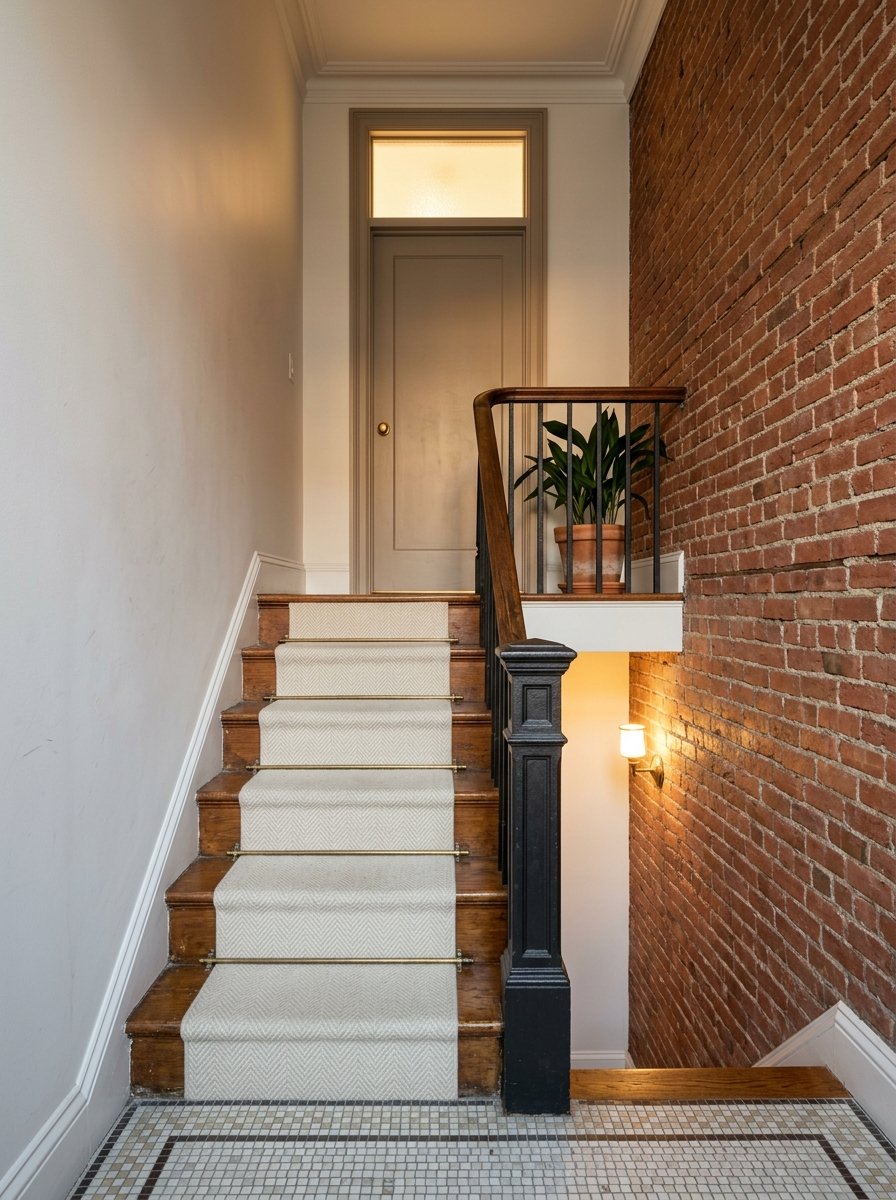
Prewar charm often comes with upgrades. Many buyers modernize kitchens, baths, and electric while preserving details. In historic districts, exterior changes and any work that affects the façade can require extra approvals, which can add time and cost. Plan your scope and timeline accordingly.
Is the Village a fit for you?
You will likely love the Village if you want walkability, culture, and easy transit. If you enjoy cafés, bookstores, and active public spaces, this area lets you lean into that lifestyle. You will also find quieter blocks within a few minutes of the livelier corridors.
It may be less of a fit if you need a private garage, a large yard, or a suburban level of space and quiet. Sound varies by block. Streets close to nightlife, restaurants, or Washington Square Park can run later, while courtyard-facing and well-insulated units can feel calmer.
Practical questions buyers ask
- Pets: The neighborhood is dog-friendly, but each co-op or condo sets its own pet rules. Some limit size or breed, so check building bylaws early.
- Parking: Street parking is limited and garages carry a premium. If you must own a car, plan for a monthly garage.
- Safety: Crime data changes by block and over time. For the most current picture, rely on official precinct reports rather than general impressions.
- Short-term rentals: NYC restricts rentals under 30 days for entire apartments in most situations. Many buildings also prohibit short-term subletting.
- Timeline: Co-op purchases often take longer due to board approval. Condo and townhouse deals usually move faster, but attorney review and mortgage underwriting still set the pace.
- Landmark reviews: Historic district status can affect exterior work and windows. Budget extra time if your renovation might be visible from the street.
Selling in the Village
Greenwich Village buyers respond to history, light, and location. When you list, highlight prewar details, efficient layouts, and proximity to parks, cafés, and transit. Staging that blends character with updated finishes tends to perform well.
Plan your timeline around the co-op board process if you are selling a co-op. Organize building documents and application materials in advance to keep momentum. Inventory can be tight for special properties like townhouses or unique prewar layouts, which can draw strong interest when priced and presented thoughtfully.
Plan your next step
If living in Greenwich Village is on your list, a clear plan will save you time and stress. Start with your budget range, decide whether co-op or condo is the right fit, and map your must-haves on a block level so you can move quickly when the right home appears. When you are ready for calm, detail-focused representation with strong negotiation and board-experience built in, connect with Jed Lewin, Esq. for a confidential consultation.
FAQs
What is daily life like in Greenwich Village for new residents?
- Expect walkable errands, abundant cafés and restaurants, active public spaces, and quick transit to Midtown and Downtown.
How noisy is it near Washington Square Park and nightlife?
- Noise varies by block and building; streets near restaurants and the park can run later, while courtyard and well-insulated units are usually quieter.
What should I know about co-op board approvals in the Village?
- Co-ops review financials and often interview buyers; timelines vary by building, so plan extra time compared with a condo purchase.
Are short-term rentals allowed in Greenwich Village apartments?
- NYC generally restricts renting an entire apartment for fewer than 30 days, and many co-ops and condos prohibit short-term sublets.
How car-friendly is Greenwich Village if I need to drive?
- On-street parking is limited and garages are costly; most residents rely on transit, walking, and biking.
What are renovation rules in landmarked Village buildings?
- Exterior changes and anything visible from the street often require extra approvals; interior work is more flexible unless the interior is landmarked.