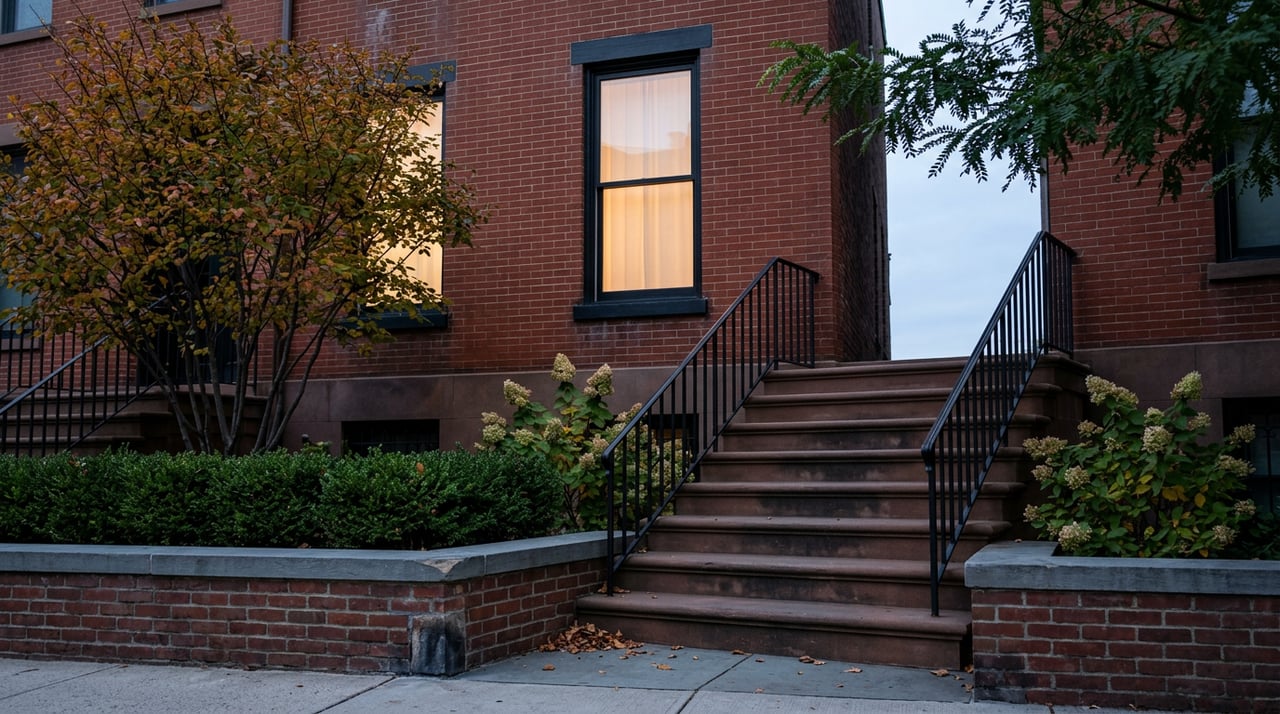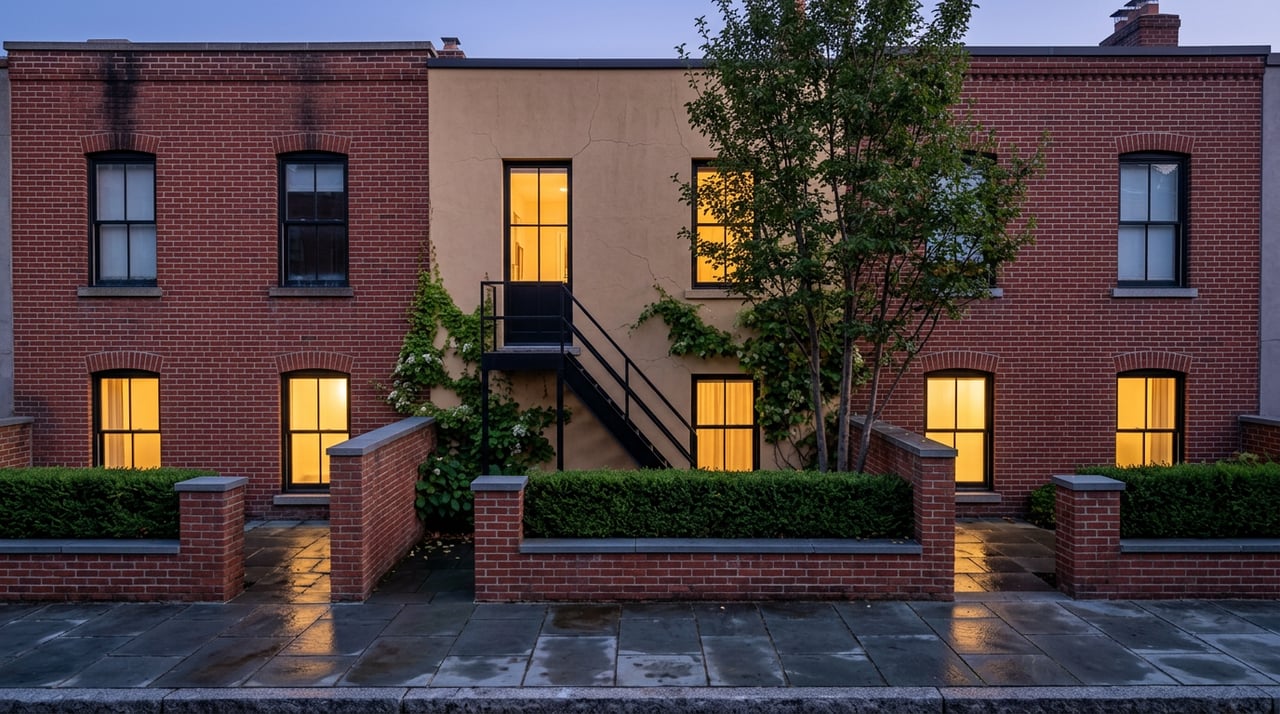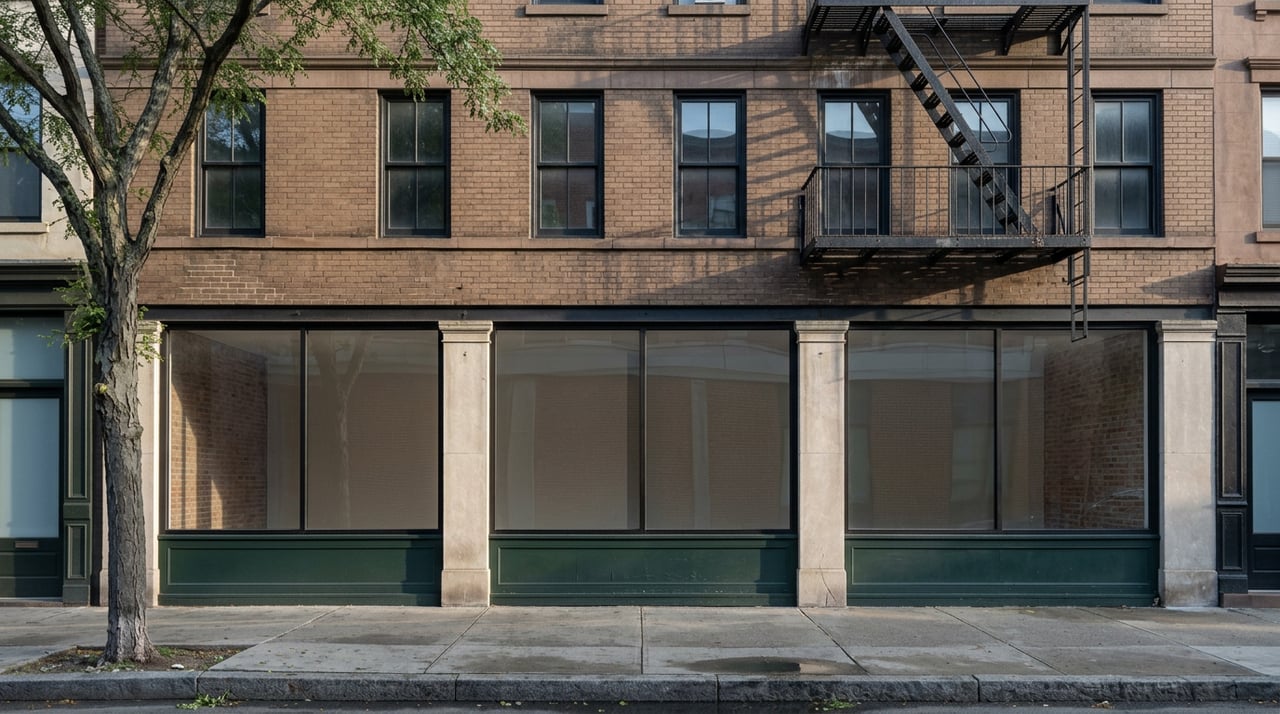
There's a note taped inside the window at Good Enough to Eat right now. Anyone walking up Columbus Avenue between 85th and 86th can read it without going in. It says the restaurant is closing after more than 45 years, and that the final brunch service happens this Sunday, August 30.
The easy read on a note like that is neighborhood decline. Another old-guard spot gone, another sign that the Upper West Side isn't what it used to be. That read is wrong, or at least incomplete, and the restaurant's own owner has already explained why in terms specific enough to matter if you live within walking distance of this block.
What Actually Ended the Run
Good Enough to Eat opened on Amsterdam Avenue in 1981, the work of a chef named Carrie Levin who built a following on pancakes soaked in strawberry butter and a brunch line that wrapped the block. In 2013, facing a lease she couldn't keep, Levin partnered with restaurateur Jeremy Wladis to move the business a few blocks to its current Columbus Avenue address. Levin retired and died in 2023. Wladis kept running the place.
Wladis told a local outlet that the decision to close now came down to two things: a drop in the restaurant's tourist traffic and a landlord who wanted more for the space than Wladis believes it's worth. Nobody involved in that conversation blamed the food. The strawberry butter isn't going anywhere either. Wladis owns Fred's, a sister restaurant on Amsterdam and 83rd, and once the doors close on Columbus Avenue, Fred's will pick up the Good Enough to Eat breakfast menu and open earlier on weekends to cover the gap. The name Good Enough to Eat won't survive the move. The eggs will.
That's a rent negotiation that didn't clear, playing out in public because the tenant happened to be beloved. It has nothing to do with whether the neighborhood still wants brunch.
The Corner That Has Eaten Eight Restaurants
If you want to see the same mechanism at a different scale, walk two blocks to 208 West 70th Street, between West End and Amsterdam. This address has been trying and failing to hold a restaurant for decades. At least eight tenants have come and gone there, none lasting more than ten years. The building has hosted Lincoln Square Steak, then Tavola Della Nonna, an Italian American spot that opened right before the pandemic and closed almost immediately. Go back further and you find Lee Mazzilli's Sports Cafe, a 350-seat venture from the former Yankee and Met. Before that, Cosmico, a supper club decorated with artwork from actor Anthony Quinn. In the building's basement, once upon a time, sat Ungano's, a music venue that hosted Fleetwood Mac, BB King, and Van Morrison.
Meanwhile, practically next door, Cafe Luxembourg has been running strong since the Reagan administration. Same block. Same foot traffic. Same subway access. One address can't hold a tenant longer than a decade and the other has been open for over 40 years.
The difference isn't the neighborhood around either building. It's the room itself. 208 West 70th is oversized, built for volume, and a restaurant that size has to fill a lot of seats every night just to cover the rent a landlord expects from that much square footage. A concept built around a single owner-chef and a loyal but modest crowd can't generate that volume consistently. A concept built to seat hundreds can.
This past weekend, Wu's Dynasty opened in that same space. It's a Cantonese restaurant serving dim sum and seafood, run by the founder of Wu's Wonton King on the Lower East Side, and it's built for exactly the scale the address demands: 340-person capacity, 38 tables, 228 seats, open 11 a.m. to 11 p.m. Neighbors commenting on the news were already speculating that the size and menu put it in direct competition with Shun Lee West, the area's longtime high-end Cantonese anchor. Whether that bet pays off is a different question. But it's the right kind of bet for that particular room, which is more than most of the address's last eight tenants could say.
Small Storefronts Are Making the Same Trade
The same math is showing up at the opposite end of the size spectrum, just with a different outcome. In the same week Good Enough to Eat announced its closing, three small storefronts on the Upper West Side shut their doors for reasons that have nothing to do with each other's cuisine and everything to do with what a small kitchen costs to keep running.
Made in NY Pizza, on Broadway between 96th and 97th, closed permanently on August 16 and is relocating to the Upper East Side. Tea Magic, the bubble tea shop on West 72nd between Broadway and West End, closed on August 15, with its staff absorbed into the company's other Broadway location near Columbia University. Jet's Pizza, on Amsterdam between 95th and 96th, closed earlier in the month.
Taking one of those spots is Sundays, a nail studio opening its seventh New York City location at The Henry, the residential building at 211 West 84th Street. A nail studio doesn't need a kitchen, a hood system, or a staff large enough to run dinner service seven nights a week. It needs a chair, a technician, and considerably less overhead than a pizza counter competing against two other pizza counters within a five-block radius. When a small storefront's rent climbs past what a food business can sustain on thin margins, the next tenant in line is often something that never needed a kitchen in the first place.
The New Restaurants Prove the Point
None of this means the Upper West Side is trading restaurants for nail salons across the board. Full-service dining is still opening here, just in the room sizes and formats that make the rent work in specific spots. Sushi of Gari's Chikara concept has set up on the Upper West Side with a $185 omakase alongside a la carte options, a bet on a smaller footprint and a higher price point rather than volume. Alma Negra, a Mexican restaurant, has also landed in the neighborhood with a menu built around tuna aguachile and braised short rib enchiladas.
Put the small closures, the big-format opening on West 70th, and these newer full-service arrivals next to each other and a pattern holds. Nothing here says people stopped wanting to eat out on the Upper West Side. It says the room has to match the business model, and when it doesn't, the space turns over until someone gets the fit right.
What to Watch For on Your Own Block
Next time you pass a storefront with three names in five years, or a note taped inside a window announcing a closing after decades in business, the instinct to read it as the neighborhood changing for the worse is understandable. But the more useful question is a narrower one: what does this particular space cost to run, and does the business inside it generate enough volume or margin to cover that number. Good Enough to Eat's closing was a lease negotiation that didn't clear. The turnover at 208 West 70th was eight attempts to fit the wrong-sized business into a room built for something bigger. The nail studio moving into a former pizza spot on 84th Street is the same trade at a smaller scale.
None of it requires a decline narrative to make sense. It requires knowing what each address actually needs to work, which is the same question that determines a lot more than where you get dinner on a Tuesday.
If you're the kind of person who notices these patterns and wonders how they connect to what's happening with property values and turnover on your own block, that's a conversation Jed Lewin Real Estate has regularly with Upper West Side owners and buyers. Request a confidential consultation whenever you're ready to talk through what you're seeing.