What does everyday life on the Upper West Side really feel like once you move past the postcard version? If you are considering a home here, that question matters more than any single listing detail. The Upper West Side can feel lively, residential, cultural, and practical all at once, and the experience changes noticeably from one block and building type to the next. This guide walks you through how the neighborhood works day to day, home by home, so you can picture your own routine more clearly. Let’s dive in.
How the Upper West Side is organized
The Upper West Side is commonly defined by Manhattan Community Board 7 as the area from 59th to 110th Street, between Central Park West and the Hudson River. That broad footprint helps explain why the neighborhood can feel varied while still holding together as one place.
A big part of that rhythm comes from its layout. According to New York City Planning, much of daily life is organized around three main commercial corridors: Broadway, Amsterdam Avenue, and Columbus Avenue. Side streets tend to be more residential, so your routine often depends on whether you live right on an avenue or a block tucked just behind one.
Avenue life versus side-street life
If you live on or near Broadway, Amsterdam, or Columbus, your days may feel a little more immediate. Errands, restaurants, local services, and retail are concentrated along those corridors, which makes it easier to pick up groceries, meet a friend, or run out for coffee without much planning.
The feel can shift once you turn onto a side street. City Planning notes that these blocks are much more residential, and that difference is noticeable in how the neighborhood moves. You can be one block from a busy avenue and still feel like you have stepped into a calmer, more home-centered setting.
That contrast is part of what gives the Upper West Side its appeal. It does not revolve around one single downtown-style main street. Instead, it offers a repeating pattern of active avenues and quieter residential blocks, which gives you options in how connected or tucked away you want to feel.
How building type shapes your routine
One of the most important questions for buyers is simple: how much does the home itself change daily life? On the Upper West Side, the answer is quite a bit.
Pre-war apartment houses
Historic district reports describe the classic Upper West Side fabric as large apartment buildings along Riverside Drive and West End Avenue, with elegant apartment buildings also woven through the area. Manhattan sales records continue to show active co-op elevator apartment and condo elevator apartment transactions here, which underscores how central apartment-house living remains to the neighborhood.
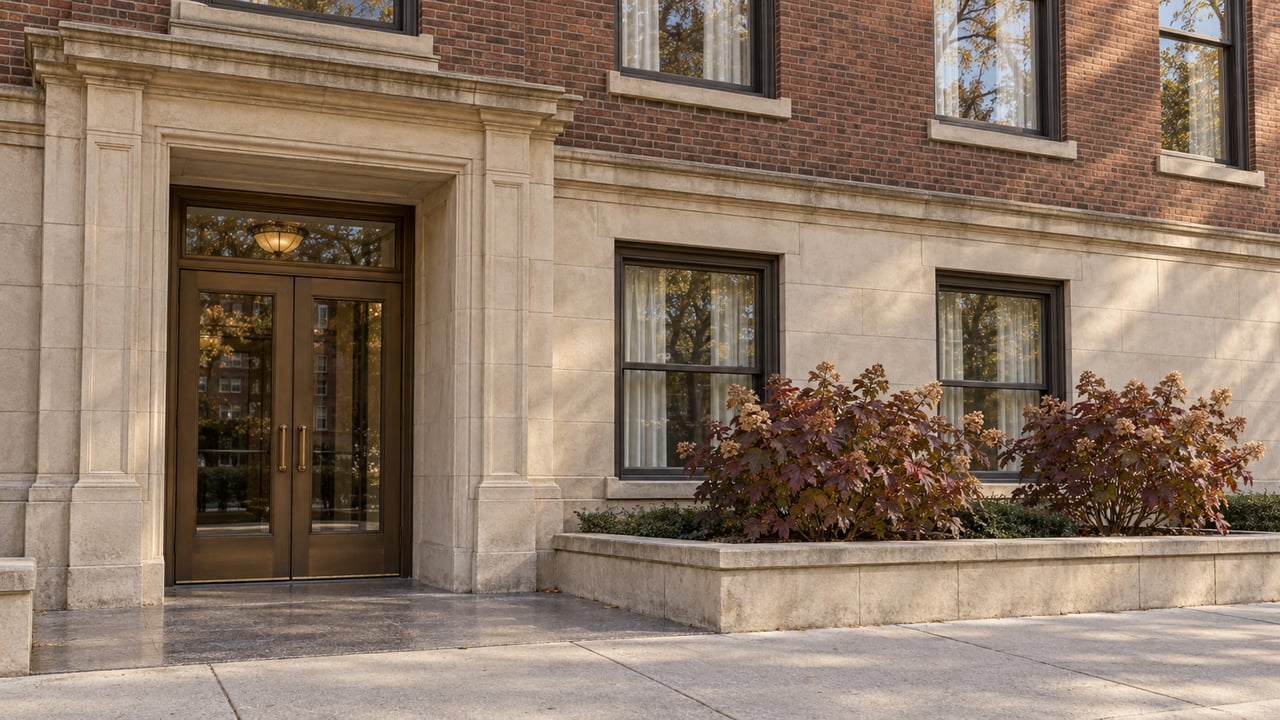
In practical terms, this often means a more vertical, full-building lifestyle. Your routine may center on elevators, doormen or shared entries where applicable, package handling, and stepping out directly into avenue or park-adjacent life. For many buyers, that creates a strong sense of convenience in a neighborhood where walking is part of the day.
Brownstones and townhouse blocks
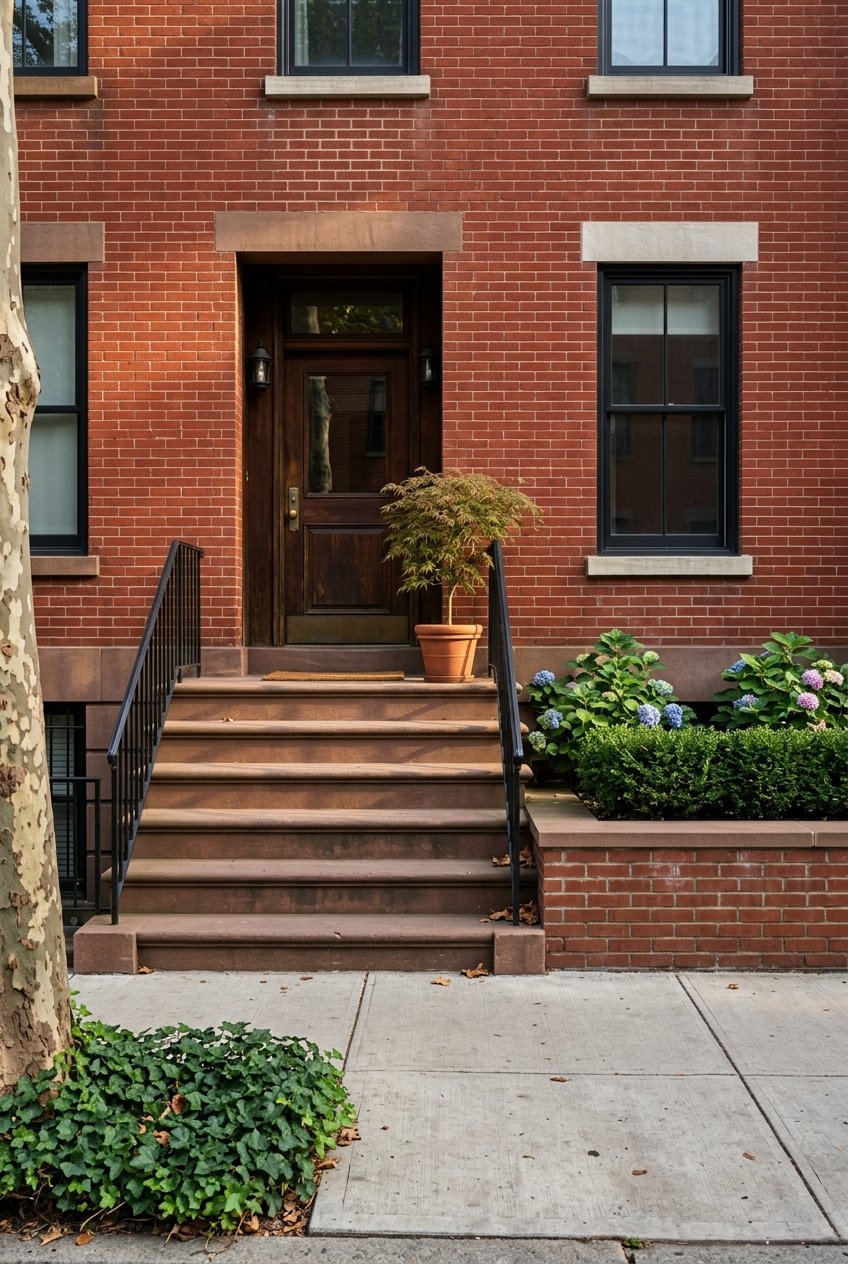
Community Board 7 describes side streets filled with brownstone townhouses, and notes that some former multi-apartment brownstones were later consolidated into single-family homes. That built form gives many Upper West Side side streets a smaller-scale feel than the larger apartment-house corridors.
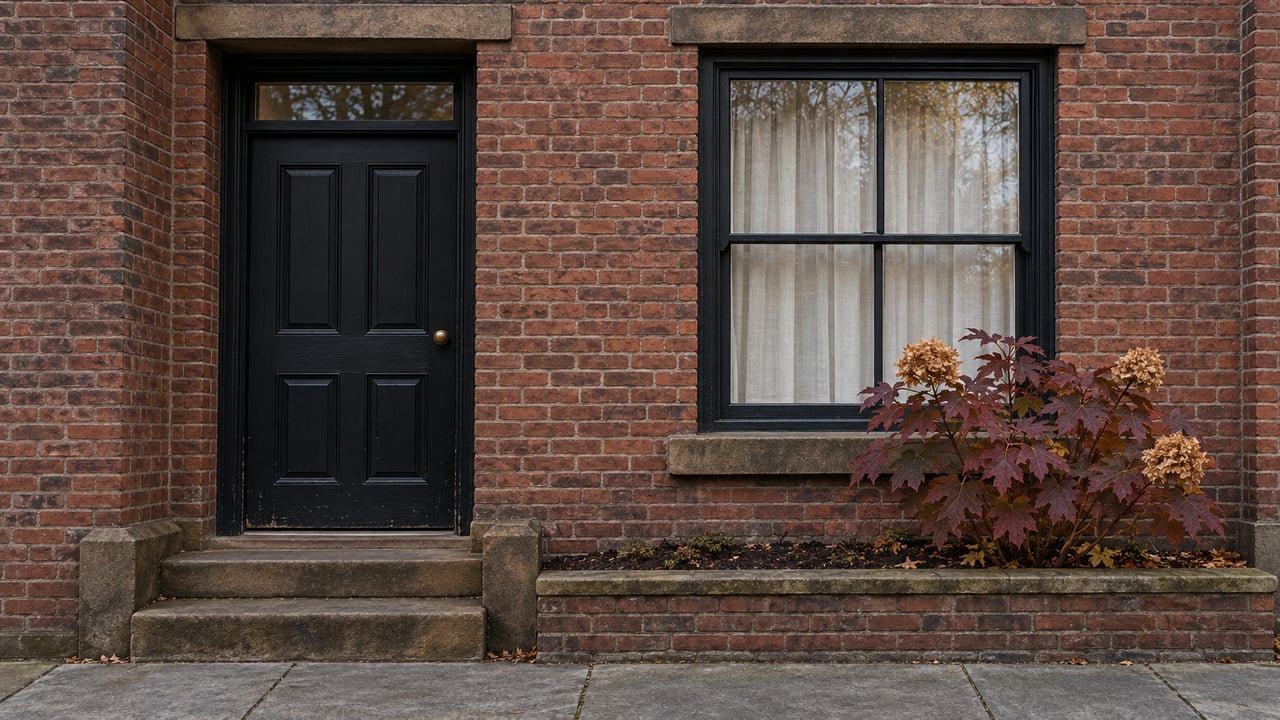
Day to day, brownstone living often feels more stoop-oriented and block-specific. You may notice the street more, know your immediate surroundings more intimately, and experience a rhythm shaped by front steps, narrower entrances, and quieter residential blocks rather than larger shared building systems.
Newer condos and towers
Community Board 7 also notes that newer residential towers and mixed-use complexes have risen in redevelopment areas, including around Riverside Center and Fordham’s Lincoln Center campus. Sales records continue to show condo elevator apartment activity in the area, confirming that newer condo living is an active part of the Upper West Side housing mix.
For some buyers, that can mean a more modern interpretation of Upper West Side life. The pace may still be neighborhood-driven, but the building experience can feel more contemporary, especially in areas shaped by recent development. If you are weighing older charm against newer infrastructure, this is where your daily preferences matter as much as the address.
Parks that become part of your week
On the Upper West Side, parks are not just occasional destinations. They are built into how many people structure the week.
Central Park runs from 59th to 110th Street along the neighborhood’s eastern edge, and Riverside Park Conservancy cares for more than 400 acres of parkland from 59th to 181st Street along the Hudson side. With major park access on both edges, many routines naturally include a walk, a run, playground time, or a detour outside before or after work.
Riverside Park Conservancy also describes Hippo Playground as a beloved Upper West Side playground area. That detail helps illustrate something larger: recreation here is woven into ordinary neighborhood life. You do not necessarily need to plan a special outing to make green space part of your day.
Culture that feels close to home
The Upper West Side is known for its cultural institutions, but what makes that meaningful for residents is how close they sit to ordinary routines. You are not traveling across the city to enjoy them. In many cases, they are simply part of the neighborhood.
Lincoln Center sits between West 62nd and 65th Streets, between Columbus and Amsterdam Avenues. Its public plazas are open daily from 8 a.m. to midnight and are described by Lincoln Center as offering greenery, shade, public art, and a sense of tranquility. That means even a quick pass through the area can feel like part of neighborhood life rather than a formal event.
Further north, the American Museum of Natural History spans the superblock from West 77th to 81st Streets between Central Park West and Columbus Avenue, and The New York Historical is located at 170 Central Park West at 77th Street. Together, these institutions reinforce a very Upper West Side idea: museum and cultural time can fit into a normal week.
Dining and errands on the corridors
The Upper West Side is especially practical if you value a neighborhood where daily needs are easy to reach on foot. New York City Planning says Amsterdam and Columbus support numerous bars, restaurants, small gift and apparel shops, and local services, while Broadway attracts larger retail and commercial uses.
That avenue structure affects how you choose a block. If you want quick access to dining and errands, being closer to those corridors may suit you. If you want a quieter front door with easy access to activity nearby, a side street just off the avenues can offer a different balance.
In Lincoln Square, the mix becomes even more destination-oriented. The Lincoln Square Business Improvement District describes the area as anchored by Lincoln Center and Columbus Circle, with a wide range of retailers, restaurants, and a Greenmarket at Richard Tucker Park on Thursdays and Saturdays. For some residents, that creates a particularly convenient daily and weekend rhythm.
Can you live here without a car?
For many buyers, the practical answer is yes, a car-light lifestyle is plausible on the Upper West Side. That conclusion is supported by the neighborhood’s combination of corridor-based retail, strong subway coverage, crosstown bus service, and easy access to parks and cultural destinations.
The MTA shows 1, 2, and 3 train service along Broadway at 72nd, 79th, 86th, 96th, 103rd, and 110th Streets. The B and C trains run along Central Park West at 72nd, 81st, 86th, 96th, 103rd, and 110th Streets. Crosstown movement is also supported by the M79-SBS on 79th Street and the M86-SBS on 86th Street.
In the southern part of the neighborhood, Lincoln Square BID also notes access to the A, C, B, D, and 1 at Columbus Circle, the 1 at 66th Street and Lincoln Center, and the 2 and 3 at 72nd Street. If you are used to walking to errands, using transit, and building your week around nearby essentials, the Upper West Side is set up well for that kind of routine.
Which blocks feel busiest?
In general, the avenues carry the most visible activity. Broadway, Amsterdam, and Columbus are where much of the shopping, dining, and service life is concentrated, so those stretches usually feel more active throughout the day.
Side streets tend to feel more residential by comparison. That does not mean every block feels the same, but it does mean the Upper West Side often rewards careful block-by-block thinking. Two homes only a short walk apart can offer very different day-to-day experiences.
This is one reason in-person touring matters so much here. A polished search strategy should look beyond square footage and finishes to include the pattern of the block, the building type, and how you expect to move through the neighborhood each day.
What this means for buyers
If you are buying on the Upper West Side, it helps to think less in terms of a single neighborhood label and more in terms of your preferred routine. Do you want to step out into avenue energy, or do you want a more tucked-away block? Do you picture pre-war apartment-house living, brownstone scale, or a newer condo setting?
Those are lifestyle questions, but they are also real estate questions. On the Upper West Side, your daily experience is shaped by the relationship between the home, the block, and the nearest corridor. Understanding that connection can help you narrow your search with much more confidence.
A well-planned search also creates room for better decision-making. When you know how you want to live, it becomes easier to identify which opportunities are truly aligned, including homes that may come to market quietly or require a more strategic buying approach.
If you want a clear, block-by-block perspective on the Upper West Side and a thoughtful strategy for buying or selling in Manhattan, Jed Lewin, Esq. offers calm, detail-oriented guidance backed by strong negotiation and transaction management.
FAQs
What is the Upper West Side neighborhood boundary in Manhattan?
- Manhattan Community Board 7 commonly defines the Upper West Side as running from 59th to 110th Street, between Central Park West and the Hudson River.
What are the main commercial streets on the Upper West Side?
- New York City Planning identifies Broadway, Amsterdam Avenue, and Columbus Avenue as the neighborhood’s three main commercial corridors.
What types of homes are common on the Upper West Side?
- The neighborhood includes pre-war co-op and condo apartment buildings, brownstones and townhouses on side streets, and newer condo towers in some redevelopment areas.
Can Upper West Side residents live without a car?
- A car-light lifestyle is plausible because the neighborhood combines concentrated retail corridors, strong subway coverage, crosstown bus service, and access to parks and cultural institutions.
Which Upper West Side blocks feel quieter day to day?
- In general, side streets feel more residential, while Broadway, Amsterdam, and Columbus tend to feel busier because they hold much of the neighborhood’s shopping, dining, and services.
How does building type change Upper West Side daily life?
- Apartment houses often create a more vertical, convenience-oriented routine, brownstones tend to feel more stoop-and-side-street oriented, and newer towers can offer a more contemporary residential experience.