Greenwich Village tells a specific story about how music venues get made here. Someone opens a low-ceilinged room with folding chairs and a two-drink minimum, a kid with a guitar case wanders in off the street, and twenty years later that kid is Bob Dylan and the room is a landmark. Café Wha? has been telling some version of that story since 1958, and it is not wrong. Dylan played there. So did Jimi Hendrix, Lenny Bruce, and Bruce Springsteen, all on the same stretch of Bleecker Street that has spent the last two decades without a single new stage to add to it.
This fall, that stretch gets a new venue, developed by experienced live-music operators.
The Address, the Fire, and What's Opening There
Bleecker Bell will open at 163 Bleecker Street, two blocks from Café Wha?, as a 200-capacity room with a full bar, banquette seating, a mezzanine overlooking the stage, and a dedicated green room. Operators are billing it as Greenwich Village's first new music venue in nearly twenty years, and nobody who tracks the neighborhood's club history has produced a competing claim.
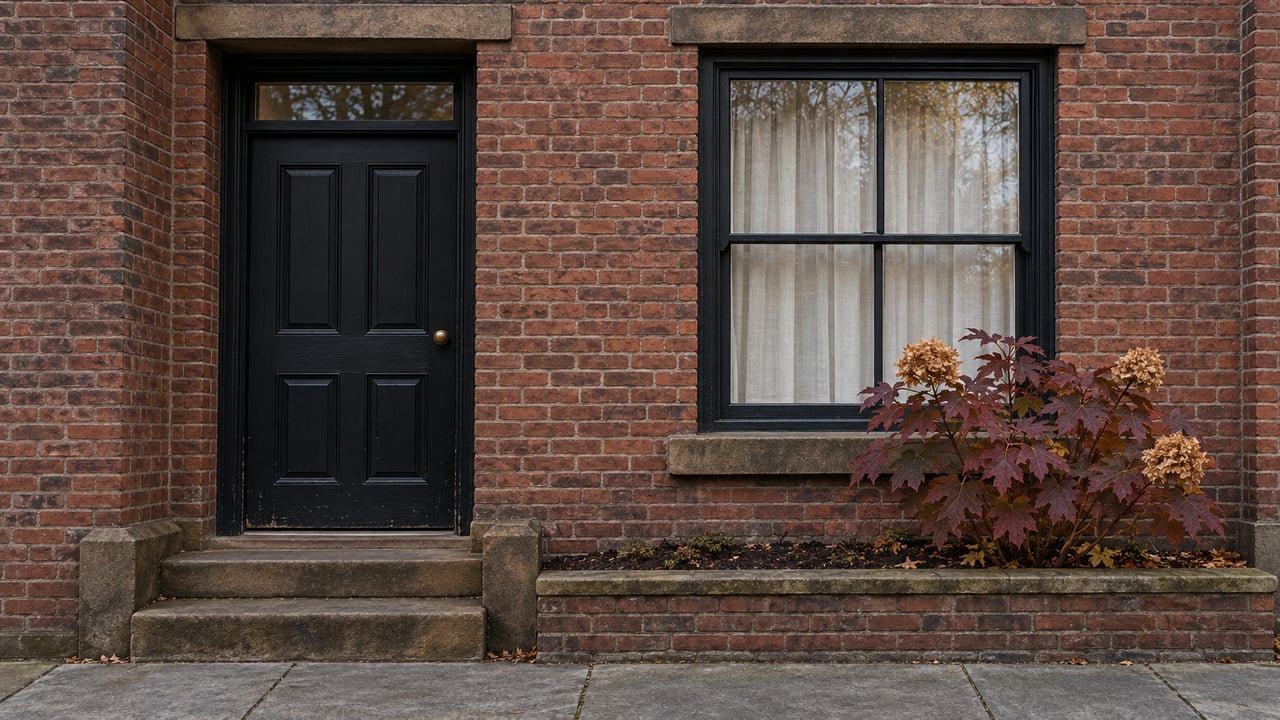
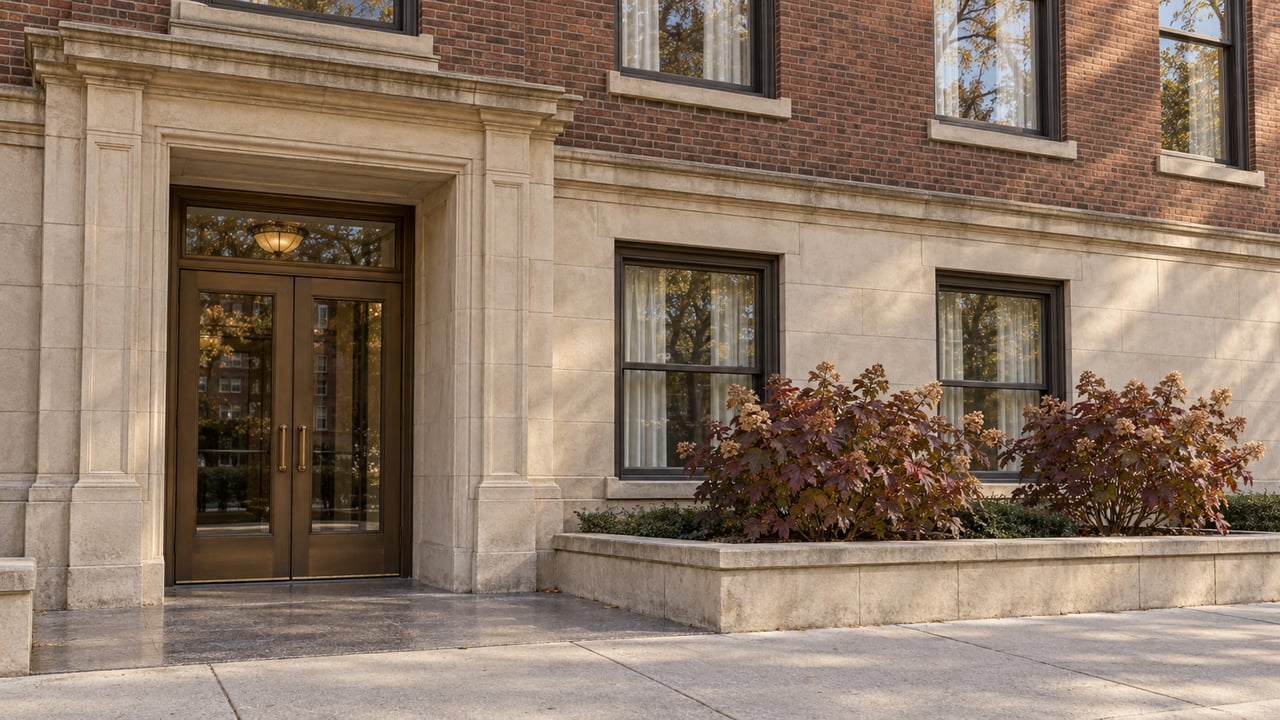
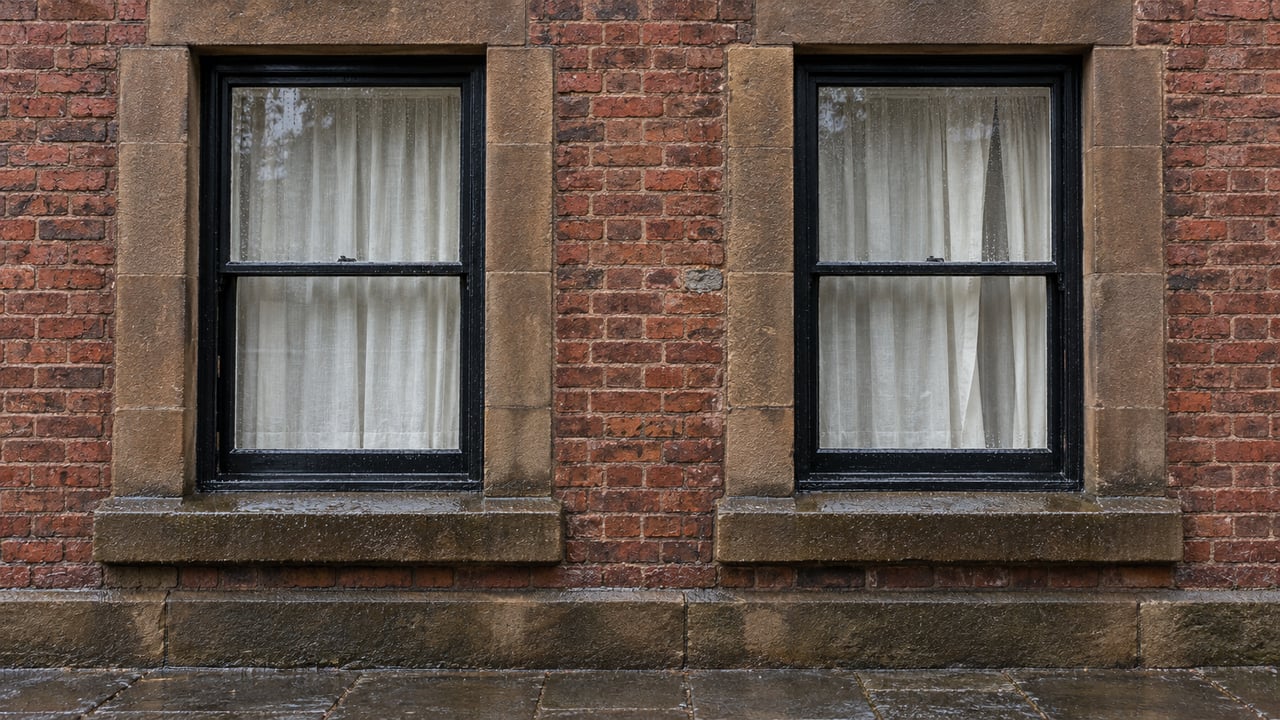
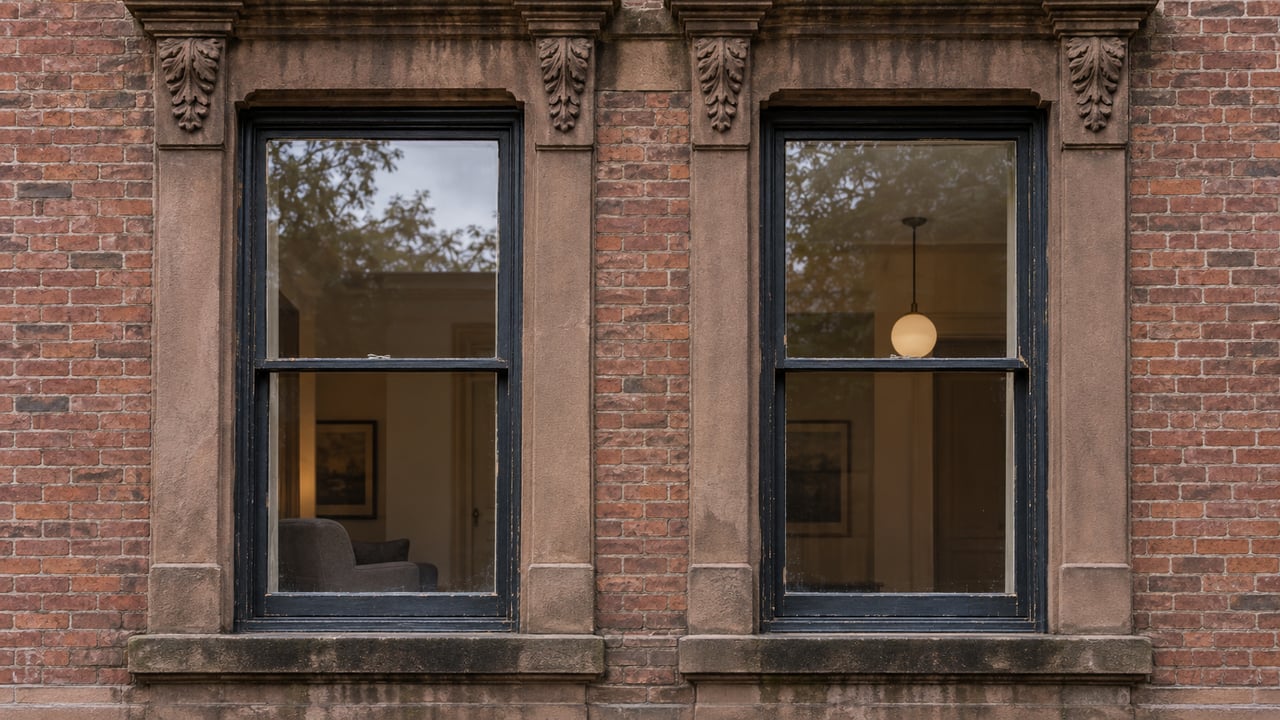
The building itself has its own before-and-after. Its most recent life was as a Chinese restaurant, and a fire left much of the structure in ruins. Rather than clear the lot, architecture firm Mojo Stumer preserved the ground floor and load-bearing perimeter walls and built the venue up and around what survived, working within the block's landmark context. The facade now reads in charcoal-infused reddish brick with dark gray metal window frames and a matching granite base and canopy.
Here is the room in numbers:
| Detail | Fact |
|---|---|
| Address | 163 Bleecker Street |
| Capacity | 200 |
| Distance from Café Wha? | Two blocks |
| First ticketed show | October 17, a blues booking listed on Live Nation |
| Genres booked | Folk, Americana, jazz, rock |
Who Actually Built It
The people behind Bleecker Bell are Principals Rani Marom, Ofer Cohen, and Nir Liwnat, who moved to New York in the late 1990s and got their start in management and operations roles at two rooms that no longer exist in the same form: the former B.B. King Blues Club & Grill in Times Square and the Blue Note. From there they acquired and rebuilt Café Wha? itself, along with Groove, before adding Bleecker Bell as a third venue in the portfolio.
Co-Principal Benjamin Chuchinsky, who serves as managing director of Café Wha Entertainment and leads its house band, joined as a co-principal. Director of Musical Operations Hap Pardo has worked with acts ranging from Van Halen and Elton John to Sabrina Carpenter and Jon Batiste. Drew Hart came aboard as booker and talent buyer.
Their backgrounds span venue management and operations, and they are bringing that experience to a smaller room.
Rani Marom put it this way when the venue was announced:
"While creating Bleecker Bell, we've been deeply inspired by the musical and cultural impact of Greenwich Village across decades. Since 1958, the legendary Café Wha? alone has hosted Bob Dylan, Jimi Hendrix, and Allen Ginsberg, with Bleecker St becoming the place to discover new artists. We're excited to reintroduce that joy and power of intimate live music to new audiences."
The word doing the work in that quote is reintroduce. Not discover. The plan is to build the infrastructure that makes an intimate room function like a professionally run venue, and then invite the audience the block already has.
A Different Route to a New Venue
It is worth sitting with why that gap lasted as long as it did. Greenwich Village did not run out of small rooms because nobody wanted to open one. Rents on Bleecker Street are not forgiving to a new operator without a track record, and a fire-damaged shell is an expensive thing to rebuild from the ground floor up. This time, three experienced operators who had already run large rooms and clubs are bringing that experience to 163 Bleecker.
Bleecker Bell follows a different path from the folk-club origin story: veteran hospitality operators with box-office experience are developing an intimate room on a legacy music block.
What a Night There Will Actually Look Like
For anyone who has spent years navigating the Village's smaller rooms, a green room and a mezzanine are not small details. Most of the neighborhood's legendary clubs were built for a different era of expectations, when a cramped stage and a folding chair were the whole experience. Bleecker Bell is being built with modern sound, lighting, and acoustics from the start, along with the kind of backstage amenities touring musicians now expect as standard.
The booking mix, folk, Americana, jazz, and rock, keeps faith with what made the block famous in the first place. The first confirmed date on the calendar is a blues show on October 17, already selling tickets through Live Nation, which means the room is not waiting for a soft opening to prove itself. It is booking like a venue that plans to be a fixture, not a pop-up.
For residents who have watched storefronts on this stretch sit dark, burn, or turn over into something unrelated to music, that is the part worth noticing. A stage is coming back to a block that has one of the strongest music pedigrees in the city, and it is coming back run by people who have already done this at a larger scale elsewhere in Manhattan.
The Larger Pattern Worth Watching
Greenwich Village's cultural infrastructure can take more than one path. Bleecker Bell brings experienced venue operators with box-office experience to an intimate room on a block with a long music history. The Village's tradition of intimate music and professionally operated venues can coexist. This fall, Bleecker Bell is set to add another room to that history.
If you live within walking distance of Bleecker Street, that is the venue worth putting on your calendar this fall for its live-music bookings and the experienced team behind it.
If you are thinking about what a stretch of Bleecker Street like this means for property values, foot traffic, or the long-term character of a block, that is a conversation Jed Lewin, Esq. has regularly with clients buying and selling in Greenwich Village. Request a confidential consultation to talk through what's actually changing on the ground here, block by block.